Ready to run background checks the modern way?
Michigan public criminal records are official documents that capture a person's criminal history, including arrests, charges, and convictions. They’re maintained by state and local government agencies. In Michigan, most criminal records are available to the public through state-run databases, though certain record types are restricted by law.
Key takeaways:
- Most Michigan criminal records are public and searchable online through three main state systems: ICHAT, MiCOURT, and OTIS
- Public access to records typically covers felony convictions and serious misdemeanors
- Juvenile records, expunged records, federal records, and out-of-state records are not permitted for public access
- Michigan's Clean Slate law allows automatic expungement of certain convictions, which removes them from public view
What shows up on Michigan public criminal records?
Michigan public criminal records include information submitted by law enforcement agencies, prosecutors, and courts across all 83 Michigan counties. What appears in a search depends on the database you use.
The following information is typically included:
- Felony convictions: All felonies reported to the state repository by law enforcement and courts
- Serious misdemeanor convictions: Misdemeanors punishable by more than 93 days in jail
- Pending charges: Active cases in participating court systems
Public criminal records in Michigan don’t include the following:
- Expunged or set-aside records
- Juvenile records
- Federal records
- Tribal records
- Out-of-state records
- Local misdemeanors and traffic offenses
Michigan criminal record expungement and set-aside laws
In Michigan, expungement is referred to as a "set aside." When a court sets aside a conviction, either through an application or automatically under state law, the record is removed from public view and no longer appears in public criminal record searches like ICHAT.
Michigan's Clean Slate law, signed in 2020 and effective April 11, 2021, expanded eligibility for set asides and introduced automatic expungement for certain convictions. Automatic set asides began processing on April 11, 2023.
General eligibility timelines under Clean Slate include:
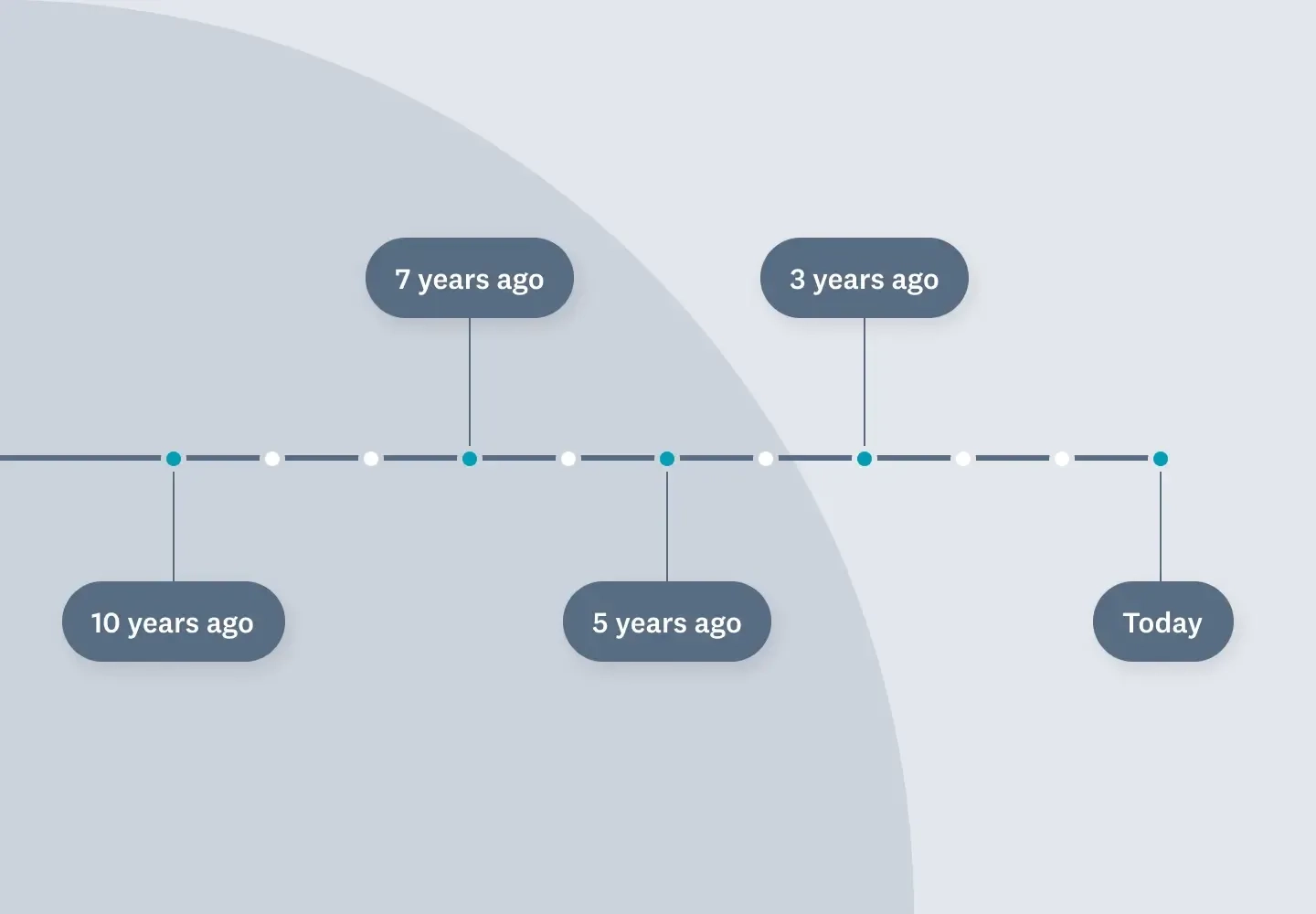
- Many misdemeanors: Eligible after a seven-year waiting period
- Many felonies: Eligible after a ten-year waiting period
- Some offenses: Permanently ineligible, including certain violent crimes and traffic offenses
A record that has been set aside does not appear in ICHAT or other public databases. Law enforcement and certain agencies retain access to set-aside records.
How to search Michigan public criminal records
Michigan’s Internet Criminal History Access Tool (ICHAT), MiCOURT Case Search, and the Offender Tracking Information System (OTIS) are the three main state systems for accessing Michigan public criminal records. Each tool is maintained by a different agency and covers a different category of information, so the right tool to use depends on what type of record you need.
Operating agency | Cost | What it covers | |
ICHAT | Michigan State Police | Paid per search | Statewide felony and serious misdemeanor history |
MiCOURT | Michigan Courts | Free | Court case files from participating courts |
OTIS | Michigan Dept. of Corrections | Free | Offenders under MDOC supervision |
County courts | Individual counties | Varies | Local case records that aren’t in statewide systems |
ICHAT: Internet Criminal History Access Tool
Michigan’s Internet Criminal History Access Tool, ICHAT, is operated by the Michigan State Police Criminal Justice Information Center and is the primary statewide database for public criminal history records. It runs name-based searches and returns results immediately.
ICHAT covers felonies and serious misdemeanors punishable by more than 93 days, as reported by law enforcement, prosecutors, and courts across Michigan. It does not include:
- Suppressed records
- Warrant information
- Federal records
- Tribal records
- Traffic offenses
- Juvenile records
- Local misdemeanors
- Out-of-state criminal history
MiCOURT Case Search
MiCOURT Case Search is a free tool operated by the Michigan court system. It provides access to civil, criminal, traffic, domestic, and probate case filings from participating local and regional trial courts.
MiCOURT is useful for reviewing case-level detail, such as charges filed, court dates, dispositions, and sentencing. Coverage is not statewide: not all courts participate in MiCOURT, and historical records may be incomplete depending on the court you’re trying to search.
OTIS: Offender Tracking Information System
Michigan’s Offender Tracking Information System, known as OTIS, is operated by the Michigan Department of Corrections (MDOC) and is free to search. It provides information on individuals who are currently or were recently under MDOC supervision, including those in prison, on parole, or on probation.
OTIS only displays records for individuals who have been under MDOC jurisdiction within the past three years. It does not reflect a complete criminal history and is not a substitute for a full background check.
Michigan county court records
Some records are only available directly through individual county courts, particularly older cases or ones that aren’t captured in statewide systems. Many counties offer online portals, while others process requests in person or by mail. Fees and procedures vary by county.
Michigan background check laws for employers
Employers who use Michigan criminal records to make hiring decisions must follow rules that go beyond accessing public databases. The information below is general guidance and not legal advice.
Michigan Ban the Box laws
Ban the Box typically refers to laws that limit when an employer can ask a job applicant about criminal history, typically delaying that question until later in the hiring process. Michigan’s statewide Ban the Box law applies to public and government employers and prohibits them from including questions about criminal history in an initial job application.
Several local governments have adopted fair chance hiring policies for public-sector hiring and, in some cases, for city contractors:
- Detroit
- Ann Arbor
- Grand Rapids
- Kalamazoo (city and county)
The scope of these laws vary by jurisdiction. Some fair chance ordinances apply only to city or county government hiring, while others extend to vendors and contractors.
Fair Credit Reporting Act
The Fair Credit Reporting Act (FCRA) is a federal law that applies when an employer uses a third-party consumer reporting agency (CRA) to conduct a background check. It sets requirements for how background checks are requested, performed, and shared.
Key requirements of the FCRA include:
- Disclosure: Provide the candidate with a clear, standalone written notice that a background check may be obtained.
- Authorization: Obtain the candidate's written permission before ordering the report.
- Pre-adverse action: If the report may result in a negative hiring decision, provide the candidate with a copy of the report and a Summary of Rights before taking further action.
- Adverse action: Follow a two-step notice process and allow time for the candidate to dispute any inaccuracies that may be on their background check.
Employers running criminal background checks through a consumer reporting agency, like Checkr, are subject to FCRA rules regardless of the state in which they’re located. Working with an FCRA-compliant provider helps your business maintain consistent documentation and procedures.
Run a Michigan background check with Checkr
Michigan's search options for public criminal records address different facets of an individual’s criminal history. Pulling records from multiple sources manually takes time, especially when you’re checking across counties or combining state and federal records.
Checkr's background check platform consolidates county, state, and federal criminal record searches into a single workflow, with built-in FCRA compliance tools for disclosure, authorization, and adverse action processes. The platform also supports fair chance hiring through configurable adjudication rules and individualized assessment templates.
Packages start at $29.99 and can be customized with add-ons like employment verification, drug testing, and more. Individuals looking to understand what may appear in their own record can also run a personal background check through Checkr, which includes a national criminal search, SSN trace, sex offender registry search, and global watchlist search.
Get started with Checkr to run fast, compliant background checks for your organization.
Frequently asked questions about Michigan public criminal records
Can I look up someone's criminal record in Michigan for free?
OTIS and MiCOURT offer free public access to certain Michigan criminal records. ICHAT requires a fee per search, and county court fees vary by jurisdiction.
How far back do Michigan criminal background checks go?
Michigan does not set a statewide limit on how far back criminal records can be reported. Under the federal FCRA, most non-conviction records are limited to a seven-year lookback period for employment purposes, while convictions can generally be reported indefinitely unless they’re expunged.
Are Michigan mugshots public record information?
Mugshots may be available through local law enforcement agencies or county sheriff offices, but their availability varies by jurisdiction. They are not included in statewide databases like ICHAT or OTIS.
How long does a Michigan criminal records search take?
Searches through ICHAT, MiCOURT, and OTIS typically return results immediately. Comprehensive background checks that include county court searches typically take longer, depending on individual court response times and record availability.
What is the difference between ICHAT and OTIS in Michigan?
ICHAT, operated by the Michigan State Police, provides a statewide criminal history search covering felonies and serious misdemeanors. OTIS, operated by the Michigan Department of Corrections, shows information specifically about individuals who have been under MDOC supervision, such as those in prison, on parole, or on probation.
Disclaimer
The resources and information provided here are for educational and informational purposes only and do not constitute legal advice. Always consult your own counsel for up-to-date legal advice and guidance related to your practices, needs, and compliance with applicable laws.

About the author
Checkr is the data platform that powers safe and fair decisions. We’re a technology company that helps our customers assess risk, modernize hiring, and cultivate trusted relationships in their workplaces and communities.