Table of Contents
- What is the employment verification process in Washington?
- What employment verification covers in Washington
- How to verify employment in Washington
- Washington employment verification laws
- Is E-Verify mandatory in Washington state?
- How long does Washington employment verification take?
- Run Washington employment verification with Checkr
- Frequently asked questions about Washington employment verification
Ready to run background checks the modern way?
Washington employers use employment verification to confirm a candidate’s past work history and credentials during the hiring process. This article covers what the employment verification process looks like in Washington and how to request someone else’s employment history. We’ll also go over the legal requirements that apply to employment verification and how long the process typically takes.
Key takeaways:
- Washington state employment verification typically confirms a candidate’s past employers, job titles, dates of employment, and employment status
- Verification methods include directly contacting prior employers, searching automated payroll databases, and using third-party verification services
- The Fair Credit Reporting Act (FCRA) and applicable Washington laws govern consent, accuracy, and adverse action workflows when employers use third-party services for verification
- E-Verify is not mandated statewide in Washington; however, participation may be required for certain federal contracts or local policies
What is the employment verification process in Washington?
Washington state employment verification is the process of confirming a candidate’s prior employment history. Employers can contact a candidate’s previous employers directly or use third-party services to verify information such as employer names, job titles, dates of employment, and employment status.
Employment verification is different from a full background check, which may also include criminal records, education history, driving records, and other information. Employment verification is often one component of a broader pre-employment screening.
What employment verification covers in Washington
Employment verification confirms factual details from a candidate’s prior jobs. The specific information available depends on what the previous employer is willing to share and what the candidate has permitted them to share.
Common data in an employment verification check includes:
- Dates of employment: Start and end dates of the candidate's tenure, including whether the role was full-time, part-time, or seasonal.
- Job title and position held: The role or roles the candidate occupied, and in some cases their department.
- Employment status at separation: Whether the candidate left voluntarily, was laid off, or was terminated, if the prior employer chooses to share this information.
- Income and compensation history: Base pay or hourly rate as recorded by payroll, provided the candidate has given written authorization. Washington's salary history ban limits how this data may be used to set compensation for a new role.
- Eligibility for rehire: A yes or no response from the former employer, often shared as a neutral policy statement.
How to verify employment in Washington
The process generally follows three steps: obtain authorization from the candidate, contact the prior employer or a verification service, and document the results.
1. Collect the candidate’s written authorization
Employers must receive signed consent from the candidate before contacting previous employers or using a third-party service. This step protects the candidate’s privacy and makes some former employers more comfortable with confirming employment information. It also aligns with legal requirements under the FCRA when third-party services are involved.
2. Contact the previous employer or verification service
Employers typically use one of three common methods. The right approach to running employment verification depends on your hiring volume, timeline, and available resources.
- Direct outreach: Contact the prior employer's HR or payroll team by phone, email, or fax.
- Automated database: Use a service like The Work Number for instant employment and income data.
- Third-party verification platform: Use a service like Checkr to centralize requests, manage authorizations, and track verification status.
3. Review and document the results
You’ll compare the information in the verification results against the candidate’s application or resume. Any major discrepancies should be noted for follow-up. Store records of the inquiry, responses, and supporting documents according to internal retention policies and applicable regulations.
Washington employment verification laws
Several Washington state laws govern how employers conduct employment verification and use the information they collect.
Salary history ban
Washington’s Equal Pay and Opportunities Act prohibits employers from asking applicants for wage or salary history, including benefits and other compensation data. Verification of income can occur when the applicant voluntarily provides the salary history information.
Is E-Verify mandatory in Washington state?
E-Verify is a federal online system, operated by the US Department of Homeland Security, that checks a new hire’s authorization to work against Social Security Administration and immigration records. It’s a separate process from employment verification of work history, which checks past jobs, titles, and dates with previous employers or payroll sources.
E-Verify is not mandatory for most private employers in Washington. Participation may be required for:
- Federal contractors and subcontractors when the Federal Acquisition Regulation E-Verify clause applies to their contract.
- Public-sector employers whose agency policies or grant conditions require its use.
How long does Washington employment verification take?
The timeline for an employment verification check varies depending on the method you use and the responsiveness of the prior employer.
Method | Typical turnaround |
|---|---|
Written verification | A few business days |
Verbal verification | Same day or next day |
The Work Number (automated) | Often instant or within hours |
Third-party service (e.g., Checkr) | Typically within one to a few business days |
Delays can occur when a prior employer is unresponsive, records are incomplete, or the candidate’s authorization is missing. Using an automated or third-party service often reduces these delays.
Run Washington employment verification with Checkr
Washington state employment verification is one part of a broader pre-employment screening process. Checkr offers employment verification as part of its screening platform, alongside criminal background checks, education verification, driving records, and employment drug testing.
Checkr’s platform integrates with common applicant tracking and HR systems, tracks verification status in one place, and supports compliance workflows for Washington state laws. Pricing for employment verification starts at $12.50 per check, with options to customize based on screening needs.
Get started with Checkr to run employment verification and background checks for your Washington state hires.
Hire faster with modern employment verifications
Frequently asked questions about Washington employment verification
How far back does employment verification go in Washington state?
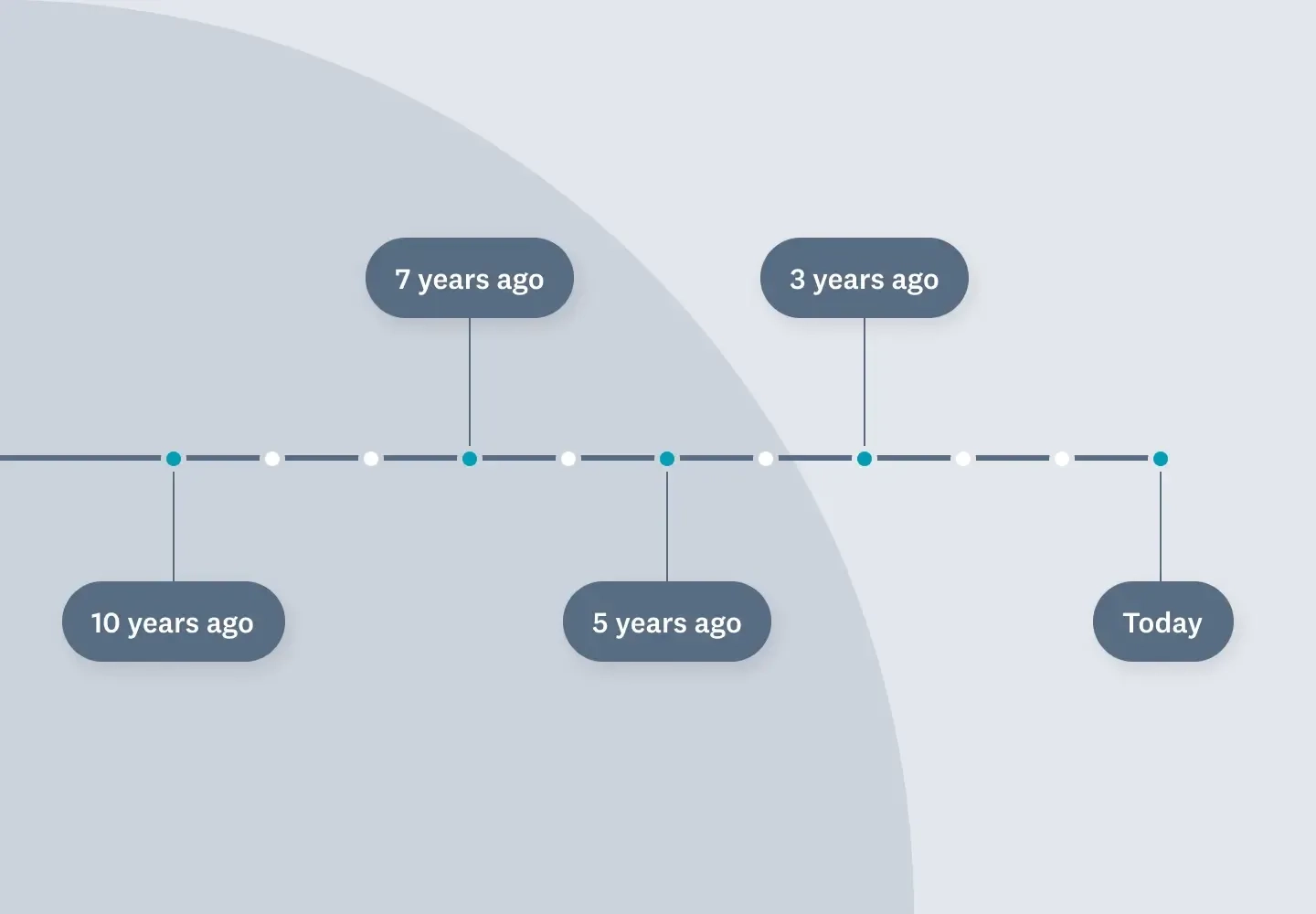
There is no Washington state law that sets a time limit on employment verification. Many employers verify seven to ten years of past work history, based on the role and their internal policy.
Can a prior employer refuse to confirm employment in Washington?
Yes, a former employer is not technically required to respond to an employment verification check. Most employers limit their responses to confirming only dates of employment and job titles that the former employee held.
What can an employer do if a candidate’s employment cannot be verified?
The employer may ask the candidate for supporting documentation such as pay stubs, W-2s, 1099s, tax returns, or an offer letter. An unverified employment history doesn’t automatically disqualify a candidate.
Is employment verification the same as a background check in Washington?
No, employment verification only confirms someone’s past work history, while a full background check may also include criminal records, education verification, driving records, and other screenings. Employment verification is often one component of a broader background check package.
Can individuals run their own employment verification in Washington?
Individuals can request their own employment records from prior employers or use a personal screening service. Checkr offers a personal background check that includes a Social Security number (SSN) trace, national criminal search, global watchlist search, and sex offender registry search, though it does not include a full employment history report.
Disclaimer
The resources and information provided here are for educational and informational purposes only and do not constitute legal advice. Always consult your own counsel for up-to-date legal advice and guidance related to your practices, needs, and compliance with applicable laws.

About the author
Checkr is the data platform that powers safe and fair decisions. We’re a technology company that helps our customers assess risk, modernize hiring, and cultivate trusted relationships in their workplaces and communities.