Checkr is trusted by 140k+ businesses and 80 million individuals
Ready to run background checks the modern way?
Frequently asked questions
The New York Times: Company Profile & Background Check FAQs
The New York Times is a global news organization that publishes independent, deeply reported journalism from its headquarters in Times Square in New York City. Job seekers considering a newsroom, product, engineering or corporate role often want to understand the New York Times background check before they apply. This article covers what candidates can generally expect from the New York Times background check process, including how New York City's fair chance rules may apply to roles based there.
Run a personal background check
Are you an organization? Run candidate background checks here >
The New York Times: Company overview
The New York Times published its first edition on September 18, 1851, and the company says its mission is to seek the truth and help people understand the world. Its corporate site describes an organization dedicated to on-the-ground, expert and deeply reported independent journalism, with headquarters in Times Square. The company posts annual reports, proxy statements and quarterly earnings materials for investors, which is consistent with a publicly traded company.
In a typical year, The Times reports on the ground from more than 160 countries, and the company describes a workforce of about 6,000 employees. Beyond the newsroom, its products include News, Audio, Cooking, Wirecutter and Games, supported by design and engineering teams that build the apps, website and newsletters readers use every day.
The company groups its career opportunities into four areas: the newsroom and Times Opinion, Product Design, Product Engineering, and Corporate. Newsroom teams include reporters and editors, coders, visual and graphic artists, sound engineers and audience experts, while corporate colleagues support the business side, including the company's goal of growing its subscriber base.
Company culture and employee programs:
The Times says it aims to build an inclusive culture with career development opportunities, employee communities and benefits, and it publishes an annual diversity and inclusion report. Benefits, pay and work arrangements vary by role, department and location, so candidates are encouraged to confirm specifics with a recruiter during the hiring process.
The New York Times background check FAQs
Can The New York Times run background checks?
Yes. Employers in the media and news industry, including The New York Times, are legally permitted to conduct pre-employment background checks, provided they follow the federal Fair Credit Reporting Act (FCRA) and applicable state and local laws. The FCRA requires written consent and specific disclosures before an employer obtains a background report from a screening company. New York City adds its own rules for most employers on when criminal history may be considered, as described below.
Does The New York Times do background checks?
The New York Times is generally reported to conduct background checks as part of hiring for at least some roles, which is common among large employers. Positions that involve financial systems, subscriber data or newsroom credentials may call for additional verification. The exact scope of the New York Times background check may vary by role, department and location.
What is the The New York Times hiring process?
The New York Times hiring process typically begins with an online application for a specific open role through the company's careers site. Candidates may then complete a recruiter conversation and interviews with the hiring team, and some roles, such as engineering, design or editorial positions, may include a skills exercise or work sample. Candidates who receive a conditional offer may be asked to consent to a background check before a start date is confirmed. Steps may vary by department and role.
How long can a The New York Times background check take?
A New York Times background check typically takes from a few business days to longer, depending on the searches ordered and how quickly courts, schools and former employers respond. Candidates with records or work history in several states or countries may wait longer than those with a short, local history. For a closer look at what affects timing, review background check turnaround times.
What can be revealed in a The New York Times background check?
The components of a New York Times background check are set by the employer and may vary by role. For a newsroom, product, engineering or corporate position, a check may include some or all of the following:
- Criminal history: Searches of national criminal databases, county and state court records, and federal court records to identify convictions or pending charges.
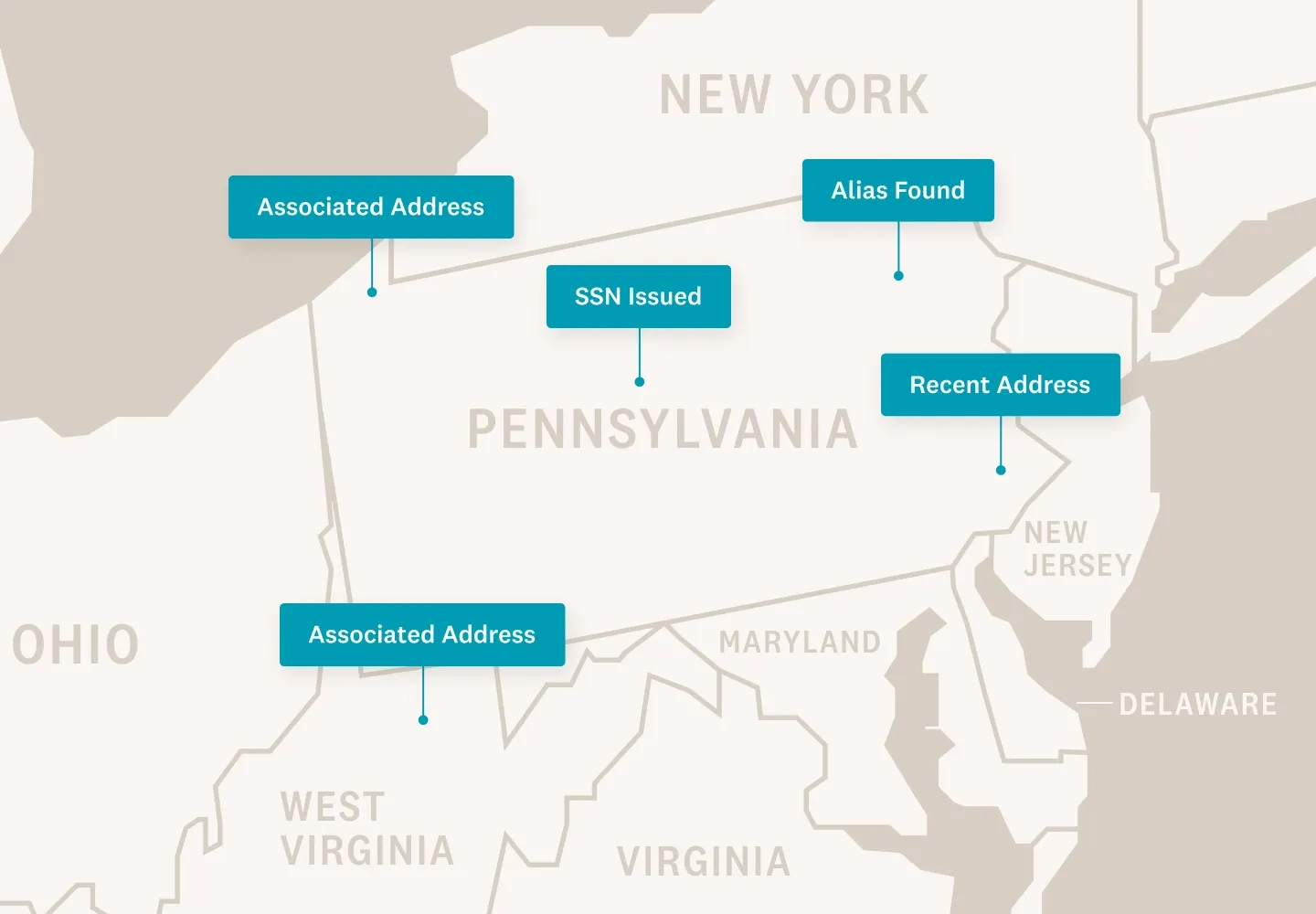
- SSN trace: A foundational search that verifies identity and surfaces address history, which helps determine which jurisdictions to search. Learn more about SSN trace.
- Sex offender registry: A search of state and national sex offender registries. Learn more about the sex offender registry.
- Global watchlist search: A check of government watchlists, sanctions lists, and other international databases. Learn more about global watchlists.
- Employment verification: Confirmation of stated work history with previous employers. Learn more about employment verification.
- Education verification: Confirmation of degrees claimed, for roles where a degree is part of the requirements. Learn more about education verification.
- Credit history: For certain finance roles, some employers also review credit history, where permitted by applicable state and local law.
- Drug screening: Some positions or locations may require a drug test as part of pre-employment screening.
Candidates should review the disclosure and consent forms they receive during hiring to see which searches apply to their role.
Does The New York Times drug test?
Whether The New York Times drug tests depends on the role and location, and candidates should check their offer paperwork for specifics. Some office-based employers do not screen every position, while others include a drug screen for certain roles, and The New York Times may require one for particular jobs. Any drug test is typically described in the conditional offer materials.
How far back can the The New York Times background check go?
The lookback period for a background check depends on the type of search and the laws of the state or country where the candidate lives or worked. In the United States, the FCRA generally limits consumer reporting agencies from reporting most negative information older than seven years, with certain exceptions for higher-salary positions and specific record types such as convictions. Some states have stricter limits. Candidates with records in multiple jurisdictions may see different lookback windows applied to different searches within the same report.
Does The New York Times hire felons?
A felony record does not automatically rule out a candidate at most employers, and The New York Times is generally understood to review records case by case. For roles based in New York City, the Fair Chance Act generally makes it unlawful for most employers to ask about or consider a job applicant's criminal history until after a conditional offer, according to the city's Commission on Human Rights guidance. That guidance also explains that New York's Correction Law Article 23-A addresses when a past conviction can be a basis for denying a job. Many other states and cities have enacted "ban-the-box" laws with similar timing limits. Candidates are encouraged to answer questions honestly and be ready to discuss their background after an offer.
What are The New York Times background check requirements?
Candidates applying to The New York Times will typically be asked to provide written consent before a background check begins. That consent is usually part of a disclosure form provided during hiring. Candidates should be ready to supply accurate personal information, including full legal name, date of birth, Social Security number and address history, and, for some roles, details about past employers and schools. Accurate details help ensure searches are run in the right jurisdictions and can prevent delays.
What is the FCRA and how does it protect candidates?
The Fair Credit Reporting Act is a US federal law that governs how consumer reporting agencies collect, use, and share background check information. Under the FCRA, employers must obtain written consent before running a background check, provide a copy of the report and a summary of rights if they intend to take adverse action based on the results, and allow the candidate an opportunity to dispute inaccurate information before a final decision is made. For a detailed overview of how the FCRA applies to background checks, visit Fair Credit Reporting Act (FCRA).
Does The New York Times verify employment and education history?
The New York Times may verify employment and education history for some roles, since both checks are common for professional positions. Employment verification confirms past employers and dates, and education verification confirms degrees a candidate lists. Candidates can help by keeping resumes consistent with their records, because mismatches in dates or titles can slow a check down.
Other media & entertainment employers
Order your own background check
Running a personal background check with Checkr lets you preview what The New York Times may see and help you identify potential inaccuracies before they affect your job application. In one secure report you can review:
- Criminal history searches: Search databases and registries; SSN trace, sex-offender registry, global watchlists, plus national, county, state, and federal court records.
- Motor vehicle records: Search a state's DMV, confirm driver's license, and identify driving incidents.
- Employment verification: Review your work history as it appears in third-party databases.
Create your report in minutes at Checkr Personal Background Checks. To showcase verified credentials proactively, build a free Checkr Profile you can share with recruiters, hiring managers, or potential employers.
Are you a candidate with an open background check with Checkr?
Check your report status in the Candidate Portal. Or, visit the Checkr Help Center for FAQs, dispute steps, and to contact support.
Run a personal background check
Are you an organization? Run candidate background checks here >
Disclaimer
The resources and information provided here are for educational and informational purposes only and do not constitute legal advice. Always consult your own counsel for up-to-date legal advice and guidance related to your practices, needs, and compliance with applicable laws.


Run a personal background check today.
Preview your own background check results to see what employers might see.