Capital One: Hiring, Background Check & Employment Verification FAQs
Want to see what's on your own background check? Run a check today.
Are you a mortgage lender?
Run an employment verification today.
Checkr is trusted by 140k+ businesses and 80 million individuals
Ready to run background checks the modern way?
Frequently asked questions
Capital One: Company Profile & Background Check FAQs
Capital One attracts a large and competitive applicant pool across its banking, technology, and corporate functions each year. Understanding how one of the largest US banks approaches pre-employment screening can help you prepare before you apply. Below, we cover Capital One's company history and business operations, along with straightforward answers to the most-searched questions about the Capital One background check process.
Run a personal background check
Are you an organization? Run candidate background checks here >
Capital One: Company overview
Capital One Financial Corporation was founded in 1994 in Tysons, Virginia by Richard Fairbank and Nigel Morris. The company grew out of a credit card division within Signet Financial Corporation and was spun off as an independent public company the same year. From its origins as a credit card issuer, Capital One expanded into retail banking, auto lending, and commercial banking over the following decades. The company is headquartered in McLean, Virginia, trades on the New York Stock Exchange under the ticker symbol COF, and is consistently ranked among the Fortune 500.
Capital One operates three primary business segments. Its Credit Card segment is the company's largest revenue driver, offering consumer and small business credit products. The Consumer Banking segment provides auto loans, retail banking, and home loans to individual customers through physical branch locations and digital platforms. The Commercial Banking segment serves mid-sized businesses and commercial real estate clients with lending, treasury management, and depository services. Capital One has long positioned itself as a technology-forward financial institution, describing its approach internally as being a technology company that also happens to offer banking products - a distinction reflected in its significant investments in software engineering, data science, and cloud infrastructure.
In May 2025, Capital One completed its acquisition of Discover Financial Services, a transaction that had been announced in 2024 and received regulatory approval after an extended review period. The combined entity substantially expanded Capital One's card portfolio and gave the company ownership of the Discover payment network. Capital One employs approximately 52,000 people and Richard Fairbank, the co-founder, has served as CEO since the company's IPO in 1994 and as Chairman since 1995.
Company culture and employee programs:
Capital One describes its culture around principles of excellence, collaboration, and inclusion. The company offers a range of employee development programs, including tuition assistance, internal mobility pathways, and business resource groups organized around shared identity and interests. Its benefits package includes medical, dental, and vision coverage, a 401(k) with employer matching, paid parental leave, and wellness programs. Capital One has received recognition on various employer indexes related to diversity and inclusion practices.
Capital One background check FAQs
Does Capital One do background checks?
Yes. Capital One conducts background checks on candidates across its business lines, including retail banking, technology, commercial banking, and corporate functions. The specific components of the capital one background check process may vary depending on the role, the candidate's location, and applicable regulatory requirements. Roles that involve direct access to customer accounts, fiduciary responsibility, or handling of financial assets typically involve screening components beyond a standard review, in accordance with the requirements of federal banking regulators including the Office of the Comptroller of the Currency (OCC) and the Federal Reserve.
What does Capital One look for in a background check?
Capital One reviews several categories of information depending on the role being filled:
- Criminal history: County, state, federal, and national criminal record searches to identify convictions that may be relevant to the position.
- Credit history: For roles that involve access to customer accounts, financial assets, or fiduciary responsibility, Capital One may review credit history as part of the capital one employment background check process. This practice is standard in financial services and is regulated under the FCRA.
- Employment verification: Confirmation that prior employment dates, titles, and employers align with the information provided on the application.
- Education verification: Confirmation of degrees, diplomas, and certifications listed by the candidate.
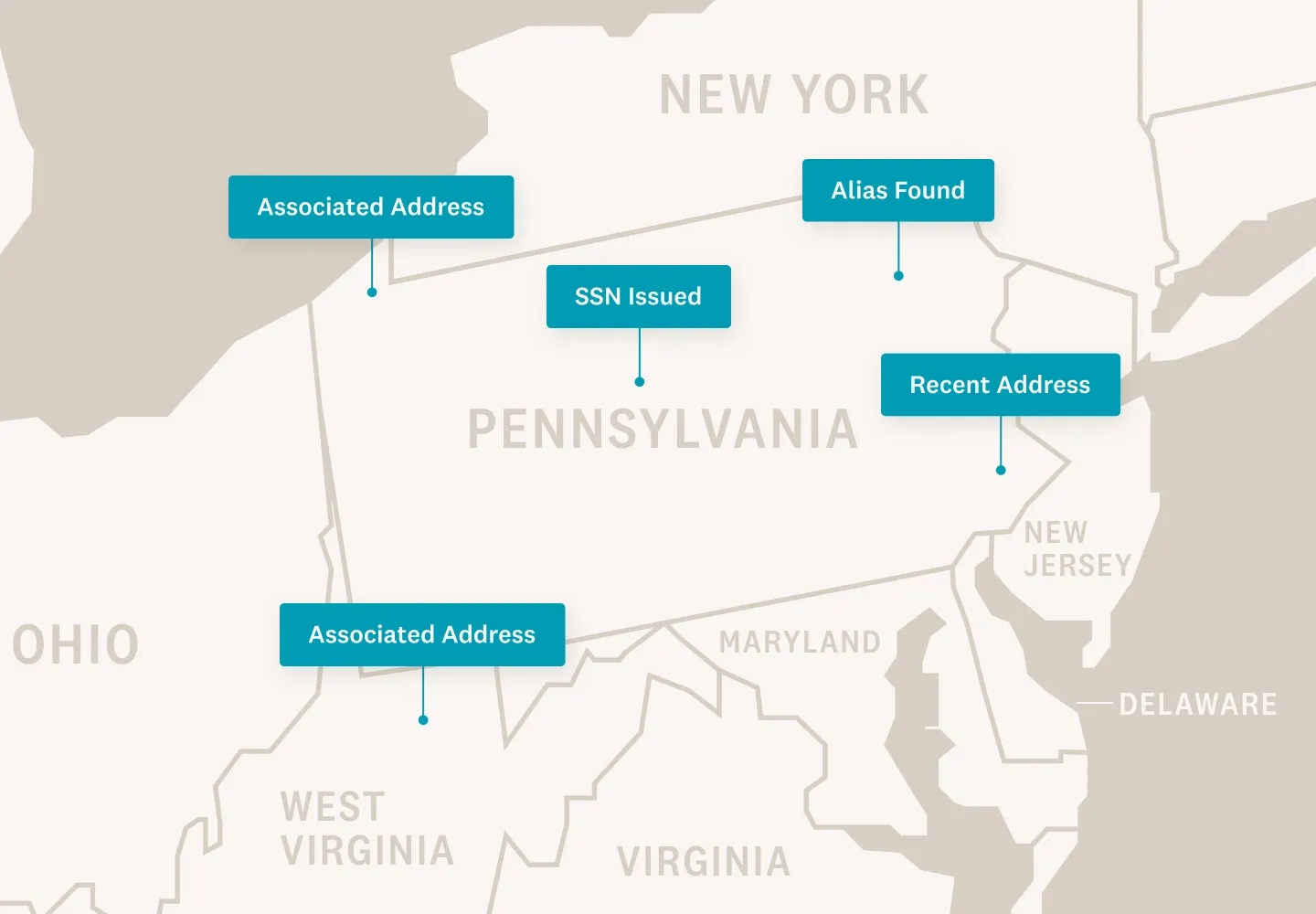
- Identity verification: Social Security number trace to confirm identity and establish address history to scope additional record searches.
- Global watchlists: Checks against government sanctions lists and other regulatory databases, particularly relevant for roles with exposure to international transactions or regulatory compliance obligations.
- Section 19 compliance: Under the Federal Deposit Insurance Act, federally insured financial institutions including Capital One are prohibited from hiring individuals with certain criminal convictions without an FDIC waiver. This regulatory requirement shapes how Capital One evaluates criminal history findings for certain roles.
Does Capital One check credit history?
Yes, for applicable roles. Credit history checks are a standard component of the Capital One background check process for positions involving management of customer funds, direct access to financial accounts, lending decisions, or other financially sensitive responsibilities. The review is conducted in compliance with the FCRA, which requires employer consent before a credit report is obtained, limits how credit information may be used in hiring decisions, and requires that candidates be notified if credit information contributes to an adverse hiring outcome. Not every role at Capital One involves a credit check. Candidates are informed which screening components apply to their specific position at the time consent is requested.
Does Capital One do fingerprint background checks?
Yes, in certain circumstances. Capital One may require fingerprint-based background checks for specific roles, particularly those subject to federal banking regulations or positions that require licensure with a state or federal financial regulator. Fingerprint checks enable searches against FBI criminal databases maintained by the federal government, which can surface records not always available through standard commercial databases. Candidates whose roles require fingerprinting are typically notified during the screening process. This is standard practice at large federally regulated financial institutions.
How long can a Capital One background check take?
Three to five business days is a common range for a straightforward capital one background check timeline, though the actual duration varies depending on the role and the candidate's history. More complex screenings can take longer. Common factors that extend timelines include:
- Court records that require manual retrieval from county or federal courthouses
- International work or education history requiring overseas record searches
- Employment or education verifications at institutions that respond slowly to third-party requests
- Regulatory checks tied to banking or financial services licensing requirements
- High-volume hiring periods when third-party CRA queues are longer than usual
For more information on what affects screening timelines, see Checkr's guide to background check turnaround times.
What can be revealed in a Capital One background check?
A background report for a Capital One position may include:
- Identity verification: SSN trace to confirm identity and establish address history.
- Criminal history: County, state, federal, and national criminal record databases; sex-offender registry; global watchlists.
- Credit history: For roles with financial responsibility, a review of credit report data in accordance with FCRA requirements.
- Employment verification: Confirmation of prior employers, dates, and job titles.
- Education verification: Confirmation of degrees and certifications.
- Regulatory compliance checks: Review of records relevant to Section 19 of the Federal Deposit Insurance Act for roles at a federally insured institution.
- Professional license verification: For roles requiring state or federal licensing in financial services.
How far back can Capital One's background check go?
Look-back periods depend on state law, the type of record, and the position being filled. For most criminal record searches, employers commonly focus on the past seven years, which aligns with FCRA guidelines and many state laws. However, certain roles at a federally regulated financial institution may involve a deeper review where permitted by applicable law, particularly when Section 19 of the Federal Deposit Insurance Act applies to the position. Some states limit how far back employers may look or restrict the use of older records in hiring decisions. Candidates should review applicable state "ban-the-box" laws and fair-chance hiring regulations, which can affect how and when criminal history is considered.
What causes a Capital One background check to fail?
No single factor automatically disqualifies a candidate, and Capital One is expected to conduct individualized assessments consistent with EEOC guidance. However, the following may lead to adverse action or further review:
- Criminal convictions involving fraud, theft, financial crimes, embezzlement, or offenses directly relevant to the duties of the role
- Convictions that trigger Section 19 prohibitions under the Federal Deposit Insurance Act, which bars federally insured institutions from employing individuals with certain financial crimes convictions without an FDIC waiver
- Significant negative credit history for positions that carry fiduciary responsibility or direct access to customer financial accounts
- Material discrepancies between information provided on the application and what verification uncovers in employment or education records
- Entries on government sanctions lists or other regulatory watchlists
Candidates who receive a pre-adverse action notice have the right to review the background report and dispute any inaccurate or incomplete information before a final decision is made.
What is the FCRA and how does it protect candidates?
The Fair Credit Reporting Act (FCRA) is a federal law that governs how consumer reporting agencies collect and report background check information and how employers may use it. Under the FCRA, Capital One must:
- Obtain written authorization from the candidate before ordering a background report
- Provide the candidate with a copy of the report and a written "Summary of Rights" if the employer intends to take adverse action based on the report's findings
- Allow a reasonable amount of time for the candidate to review and dispute inaccurate or incomplete information before a final decision is made
- Notify the candidate of the adverse action and provide contact information for the CRA if a final decision is made
What is the Capital One hiring process?
The capital one background check process for employment sits within a broader hiring sequence that typically follows these steps:
- Application - Submit online through the Capital One careers portal or a job board listing.
- Resume review and recruiter screen - A recruiter reviews the application and may conduct an initial phone or video screen.
- Interviews - Depending on the role, this may include one or more rounds of behavioral and technical interviews. Technology and data science roles often involve coding assessments or case-based exercises.
- Conditional offer - Capital One extends an offer contingent on successful completion of pre-employment screening.
- Background check consent - The candidate provides written consent and the screening is initiated through a third-party CRA.
- Screening completion - The background check is reviewed and any issues are adjudicated. Fingerprinting may occur at this stage for applicable roles.
- Final offer and onboarding - Once screening is cleared, the candidate receives a final offer and begins the formal onboarding process.
Order your own background check
Running a personal background check with Checkr lets you preview what Capital One may see and identify any inaccuracies before they become an issue during the hiring process. In one secure report you can review:
- Criminal history searches: SSN trace, sex-offender registry, global watchlists, plus national, county, state, and federal court records.
- Identity information: Address history and identity verification data derived from the SSN trace.
Create your report in minutes at Checkr Personal Background Checks. To showcase verified credentials proactively to recruiters or hiring managers, build a free Checkr Profile.
Are you a candidate with an open background check with Checkr?
Check your report status in the Candidate Portal. Or, visit the Checkr Help Center for FAQs, dispute steps, and to contact support.
The resources and information provided here are for educational and informational purposes only and do not constitute legal advice. Always consult your own counsel for up-to-date legal advice and guidance related to your practices, needs, and compliance with applicable laws.
Run a personal background check
Are you an organization? Run candidate background checks here >
Disclaimer
The resources and information provided here are for educational and informational purposes only and do not constitute legal advice. Always consult your own counsel for up-to-date legal advice and guidance related to your practices, needs, and compliance with applicable laws.


Run a personal background check today.
Preview your own background check results to see what employers might see.