Checkr is trusted by 140k+ businesses and 80 million individuals
Ready to run background checks the modern way?
Frequently asked questions
ESPN: Company Profile & Background Check FAQs
ESPN is one of the best-known sports media companies in the world, producing television networks, streaming services, digital content, and live event coverage from its headquarters in Bristol, Connecticut. Job seekers pursuing roles in production, journalism, technology, or business operations often want to know what the company's screening practices look like before applying. This article explains what candidates can generally expect from the ESPN background check process and how the hiring experience typically works.
Run a personal background check
Are you an organization? Run candidate background checks here >
ESPN: Company overview
ESPN was founded on September 7, 1979, by Bill Rasmussen, along with his son Scott Rasmussen and Ed Egan, as the Entertainment and Sports Programming Network. What began as a cable channel broadcasting from Bristol, Connecticut, grew into a multinational sports media enterprise spanning cable networks, radio, digital platforms, and streaming. The company remains headquartered at ESPN Plaza in Bristol, a large production campus that houses studios, control rooms, and corporate operations.
ESPN is majority owned by The Walt Disney Company, which gained its stake when Disney acquired Capital Cities/ABC in 1996. Hearst holds a minority interest, and under a deal announced in 2025, the National Football League acquired a 10 percent stake in ESPN in connection with ESPN taking over NFL Network and related media assets. The company's portfolio includes its flagship ESPN network, sibling channels, ESPN Radio, espn.com, fantasy sports products, and its direct-to-consumer streaming offerings.
ESPN employs thousands of people worldwide, with its largest concentration of staff at the Bristol campus and additional operations in cities such as New York, Los Angeles, and Charlotte, plus international locations. The workforce covers a wide range of functions: on-air talent and journalists, producers and directors, camera operators and editors, engineers and technologists, statisticians, sales and marketing professionals, and corporate support roles. Many positions involve live event production, which can mean irregular hours, travel, and access to venues and athletes.
Company culture and employee programs: As part of The Walt Disney Company, ESPN participates in Disney's broader employment infrastructure, and it also runs its own internships and early-career programs for students interested in sports media, production, and journalism. Benefits and perks vary by role, location, and employment type (full-time, part-time, temporary, or production-based), so candidates should confirm details during the hiring process. Common role categories include:
- Content production, editorial, and on-air roles
- Broadcast engineering and technology
- Sales, marketing, and analytics
- Event and studio operations
ESPN background check FAQs
Can ESPN run background checks?
Yes. Employers in the media and entertainment industry, including ESPN, are legally permitted to conduct pre-employment background checks on job candidates, provided they follow applicable federal, state, and local laws. In the United States, screening conducted through a consumer reporting agency is governed by the Fair Credit Reporting Act (FCRA), which requires clear disclosure, written consent, and defined adverse action procedures. Connecticut and other states where ESPN operates have their own rules that can further limit what employers may consider.
Does ESPN do background checks?
ESPN is generally reported to conduct background checks as part of its hiring process, which is consistent with practice at large media companies and across The Walt Disney Company's businesses. The scope of an ESPN background check may vary by role: positions with access to facilities, financial systems, confidential programming information, or live event credentials may be screened differently than internships or temporary production roles. Candidates should review the disclosure documents provided during hiring for specifics.
What is the ESPN hiring process?
While the process varies by team and role, ESPN hiring typically starts with an application through the company's careers site (which is integrated with Disney's recruiting systems), followed by a recruiter phone screen. Candidates usually complete one or more interviews with hiring managers and team members, and creative or technical roles may require portfolios, reels, or skills assessments. Candidates who receive a conditional offer are generally asked to authorize a background check before their start date is confirmed. For live production and event roles, hiring can move quickly around seasonal and event-driven needs.
How long can an ESPN background check take?
Turnaround time depends on which searches are included, how quickly courts and agencies respond, and how many jurisdictions appear in the candidate's address history. Many background checks are completed within a few business days, while reports involving multiple county criminal searches, education verification, or international history can take longer. Candidates can review typical background check turnaround times to set expectations.
What can be revealed in an ESPN background check?
The employer decides which searches to include based on the role. For a position at a media company like ESPN, a background check may include some or all of the following:
- Criminal history: Searches of national criminal databases, county and state court records, and federal court records for convictions or pending charges.
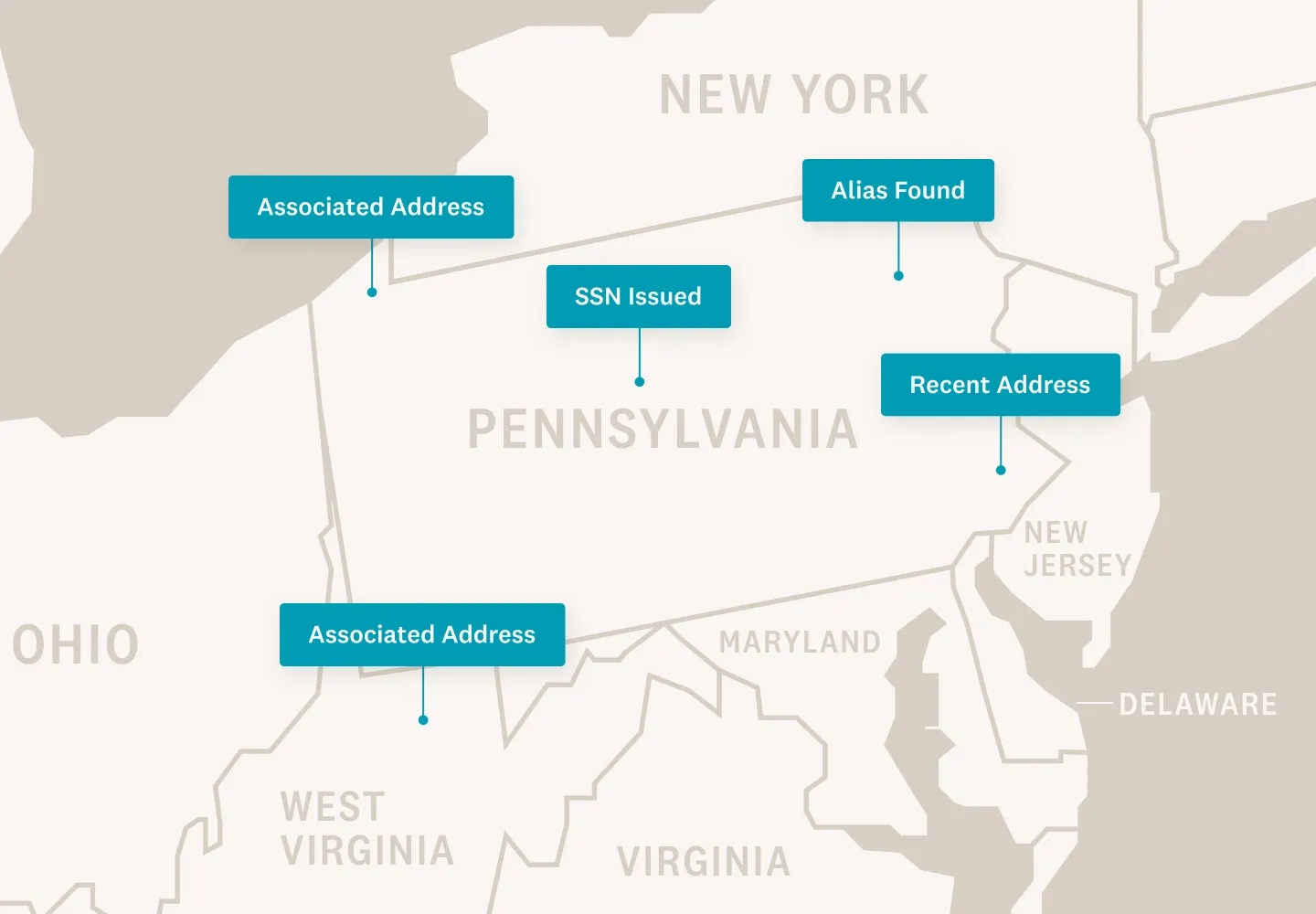
- SSN trace: A foundational identity search that surfaces address history and helps determine which jurisdictions to search. Learn more about the SSN trace.
- Sex offender registry: A search of state and national sex offender registries. Learn more about the sex offender registry.
- Global watchlist search: A check of government watchlists and sanctions databases. Learn more about global watchlists.
- Employment verification: Confirmation of a candidate's stated work history with previous employers.
- Education verification: Confirmation of degrees, which can be relevant for journalism, engineering, and corporate roles.
- Motor vehicle record (MVR): For roles that involve driving company or production vehicles.
Candidates should read the disclosure and consent forms they receive to understand exactly which searches will be run for their role.
How far back can the ESPN background check go?
The lookback period depends on the type of search and the laws of the state where the candidate lives or works. Under the FCRA, consumer reporting agencies generally may not report most types of negative information older than seven years, though criminal convictions can often be reported for longer depending on state law, and exceptions exist for certain positions above specified salary thresholds. Some states, including several where ESPN has operations, impose stricter limits on what can be reported or considered.
Does ESPN hire felons?
ESPN's policies regarding candidates with felony records are not publicly detailed, and hiring decisions of this kind are typically made case by case. Employers commonly consider the nature and severity of the offense, how much time has passed, and the relevance to the role's responsibilities. Many states and cities have enacted "ban-the-box" laws that limit when and how employers can ask about criminal history during the application process. Candidates with records are encouraged to answer application questions honestly and be prepared to provide context during interviews if asked.
What are ESPN background check requirements?
Candidates asked to complete an ESPN background check will typically need to provide written consent before screening begins, usually through a standalone disclosure form. Applicants should be prepared to provide accurate personal information, including full legal name, date of birth, Social Security number, and address history, and possibly education and employment details for verification. Accurate information helps ensure the right records are searched and reduces the chance of delays.
What is the FCRA and how does it protect candidates?
The Fair Credit Reporting Act is a US federal law that governs how consumer reporting agencies collect, use, and share background check information. Under the FCRA, employers must obtain written consent before running a background check, and before taking adverse action based on the results they must provide the candidate with a copy of the report and a summary of rights, along with a reasonable opportunity to dispute inaccurate information. For a detailed overview of the Fair Credit Reporting Act (FCRA) and related EEOC guidance, review Checkr's introduction to these protections.
Order your own background check
Running a personal background check with Checkr lets you preview what ESPN may see and helps you identify potential inaccuracies before they affect your application. In one secure report you can review:
- Criminal history searches: Search databases and registries; SSN trace, sex offender registry, global watchlists, plus national, county, state, and federal court records.
- Motor vehicle records: Search a state's DMV, confirm your driver's license, and identify driving incidents.
- Employment verification: Review your work history as it appears in third-party databases.
Create your report in minutes at Checkr Personal Background Checks. To showcase verified credentials proactively, build a free Checkr Profile you can share with recruiters, hiring managers, or potential employers.
Are you a candidate with an open background check with Checkr?
Check your report status in the Candidate Portal. Or, visit the Checkr Help Center for FAQs, dispute steps, and to contact support.
Run a personal background check
Are you an organization? Run candidate background checks here >
Disclaimer
The resources and information provided here are for educational and informational purposes only and do not constitute legal advice. Always consult your own counsel for up-to-date legal advice and guidance related to your practices, needs, and compliance with applicable laws.


Run a personal background check today.
Preview your own background check results to see what employers might see.