Checkr is trusted by 140k+ businesses and 80 million individuals
Ready to run background checks the modern way?
Frequently asked questions
General Mills: Company Profile & Background Check FAQs
General Mills is one of the largest packaged food companies in the world, producing well-known brands such as Cheerios, Betty Crocker, Pillsbury, Yoplait, and Blue Buffalo. Job seekers interested in roles at its plants, distribution centers, and corporate offices often want to know what to expect from the company's screening practices before they apply. This article explains what candidates can generally expect from the General Mills background check process, along with an overview of the company's history and hiring practices.
Run a personal background check
Are you an organization? Run candidate background checks here >
General Mills: Company overview
General Mills traces its roots to 1866, when the Minneapolis Milling Company opened its first flour mill near St. Anthony Falls in Minnesota. The modern corporation was incorporated in 1928 to combine the Washburn Crosby Company with several other milling businesses, and over the following century it grew from a flour miller into a diversified consumer foods giant. Today the company is headquartered in Golden Valley, Minnesota, in the Minneapolis metropolitan area, and its shares trade publicly on the New York Stock Exchange under the ticker GIS.
General Mills manufactures and markets branded consumer foods sold through retail stores, foodservice channels, and e-commerce. Its portfolio spans more than 100 brands sold in over 100 countries, including household names like Cheerios and Wheaties cereals, Gold Medal flour, Bisquick baking mix, Betty Crocker, Pillsbury, Nature Valley, Totino's, Haagen-Dazs (outside North America), and the Blue Buffalo pet food line. The company reported revenue of approximately 19.9 billion dollars in fiscal 2024.
The company employed approximately 34,000 people worldwide as of 2024. Its workforce spans a wide range of functions, including manufacturing and plant operations, supply chain and logistics, quality and food safety, research and development, sales, marketing, finance, and corporate roles. Because General Mills operates food production facilities, many positions involve safety-sensitive work, regulated food handling environments, and access to company systems and facilities, all of which shape how large food manufacturers typically approach pre-employment screening.
Company culture and employee programs: General Mills promotes a culture built around food innovation, sustainability, and community involvement, and it has a long history of philanthropy in the Minneapolis area and beyond. Roles range from hourly production and warehouse positions to salaried professional and technical careers. Benefits vary by role, location, and employment status, but large employers of this type commonly offer:
- Medical, dental, and retirement benefits for eligible employees
- Paid time off and parental leave programs
- Training, safety programs, and career development pathways for plant and corporate employees
Candidates should confirm current benefit details for a specific role during the hiring process.
General Mills background check FAQs
Can General Mills run background checks?
Yes. Employers in the food manufacturing and consumer packaged goods industry, including General Mills, are legally permitted to conduct pre-employment background checks on job candidates, provided they comply with applicable federal, state, and local laws. In the United States, employment screening is governed by the Fair Credit Reporting Act (FCRA), which requires employers to obtain written consent, provide disclosures, and follow adverse action procedures when using a consumer reporting agency. State and local rules may add further requirements.
Does General Mills do background checks?
General Mills is generally reported to conduct background checks as part of its hiring process, which is consistent with standard practice among large food manufacturers. Production facilities involve safety-sensitive equipment, regulated food handling, and secured sites, so screening is a routine step for employers in this sector. The specific components of a General Mills background check may vary by role, facility, and location, so candidates should review the disclosure documents they receive during hiring.
What is the General Mills hiring process?
While steps can vary by position, the General Mills hiring process typically begins with an online application through the company's careers site. Qualified candidates may complete a phone or virtual screening, followed by one or more interviews with recruiters, hiring managers, or plant leadership. For manufacturing roles, the process may include skills assessments or facility tours. Candidates who receive a conditional offer are usually asked to authorize a background check, and some roles may also require a drug screen or physical capability evaluation before a start date is confirmed.
How long can a General Mills background check take?
Turnaround time depends on the searches ordered, the responsiveness of courts and agencies, and how many jurisdictions appear in a candidate's history. Many background checks are completed within a few business days, while reports involving multiple county court searches or manual record retrieval can take longer. Candidates can learn more by reviewing background check turnaround times.
What can be revealed in a General Mills background check?
The employer determines which searches to include. For roles at a food manufacturer like General Mills, a background check may include some or all of the following:
- Criminal history: Searches of national criminal databases plus county, state, and federal court records for convictions or pending charges.
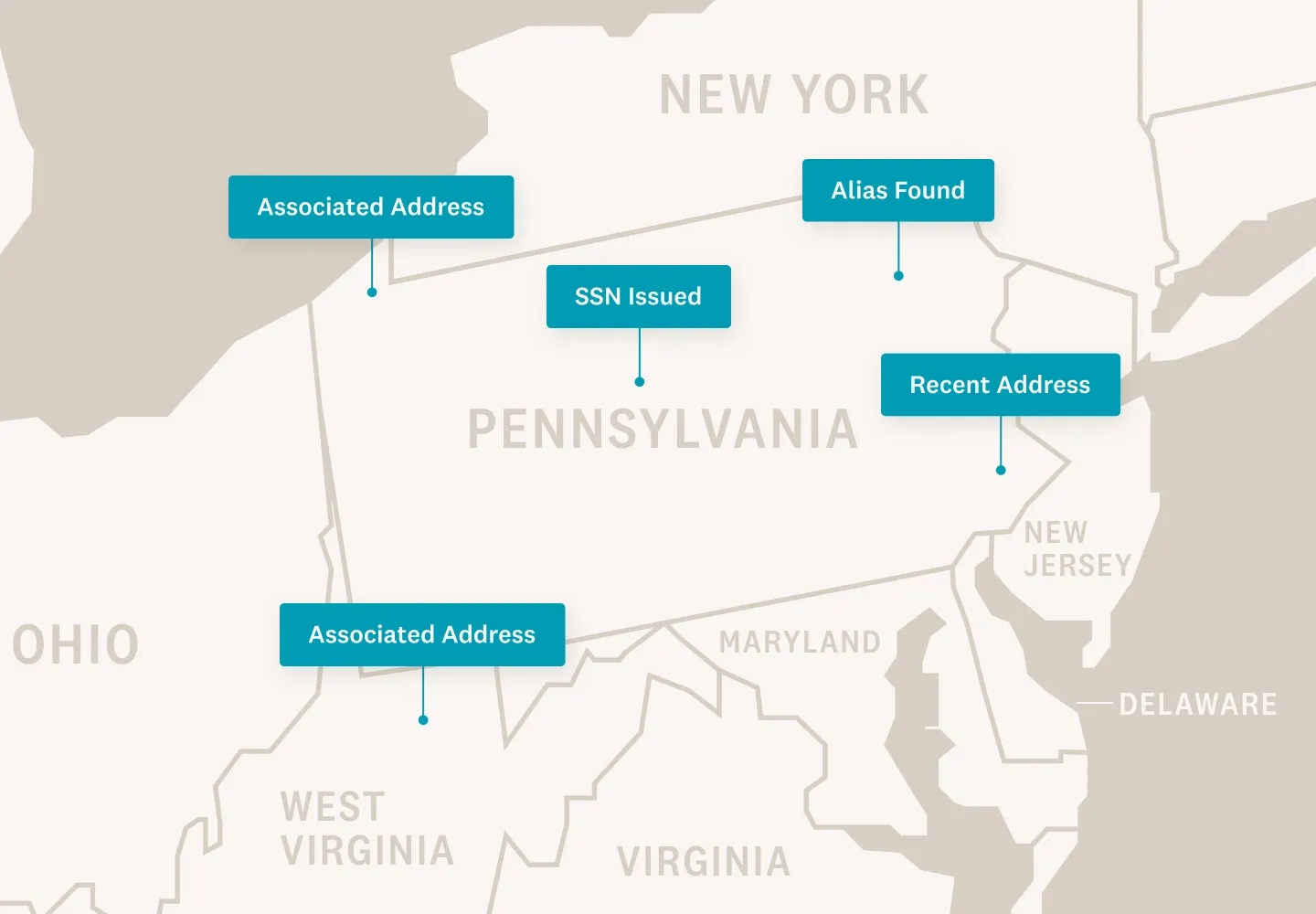
- SSN trace: Verifies identity and surfaces address history to determine which jurisdictions to search. Learn more about the SSN trace.
- Sex offender registry: A search of state and national registries. Learn more about the sex offender registry.
- Global watchlist search: A review of government sanctions and watchlist databases. Learn more about global watchlist searches.
- Employment verification: Confirmation of a candidate's stated work history.
- Education verification: Common for corporate, technical, and R&D positions that require specific degrees.
- Motor vehicle records (MVR): For roles that involve driving, such as sales or distribution positions.
- Drug screening: Many manufacturing and safety-sensitive positions include a pre-employment drug test.
Candidates should review their disclosure and consent forms to understand which searches apply to their specific role.
How far back can the General Mills background check go?
Lookback periods depend on the type of search and the laws where the candidate lives and works. Under the FCRA, consumer reporting agencies generally may not report most types of negative information older than seven years, although criminal convictions can often be reported further back under federal law, and exceptions exist for higher-salary positions. Several states impose stricter limits, so candidates in different states may see different lookback windows applied to the same types of searches.
Does General Mills hire felons?
General Mills does not publish a detailed policy about hiring candidates with felony records, and decisions of this kind are typically made on a case-by-case basis. Employers commonly weigh the nature and severity of the offense, how much time has passed, and the duties of the role. Many states and cities have enacted "ban-the-box" laws that restrict when employers can ask about criminal history. Candidates with records are encouraged to answer application questions honestly and be prepared to provide context if asked.
What are General Mills background check requirements?
Candidates will typically be asked to provide written consent before a background check begins, usually through a standalone disclosure and authorization form. Applicants should be prepared to supply accurate personal information, including their full legal name, date of birth, Social Security number, and address history. Accurate details help ensure the right jurisdictions are searched and can prevent delays in the hiring timeline.
What is the FCRA and how does it protect candidates?
The Fair Credit Reporting Act is a federal law that governs how consumer reporting agencies collect, use, and share background check information. It requires employers to obtain written consent before ordering a report, and if an employer intends to take adverse action based on the findings, it must provide the candidate with a copy of the report and a summary of rights, along with a chance to dispute inaccurate information. For a deeper look at candidate protections, visit this introduction to the Fair Credit Reporting Act (FCRA).
Order your own background check
Running a personal background check with Checkr lets you preview what General Mills may see and helps you identify potential inaccuracies before they affect your job application. In one secure report you can review:
- Criminal history searches: Search databases and registries; SSN trace, sex offender registry, global watchlists, plus national, county, state, and federal court records.
- Motor vehicle records: Search a state's DMV, confirm driver's license, and identify driving incidents.
- Employment verification: Review your work history as it appears in third-party databases.
Create your report in minutes at Checkr Personal Background Checks. To showcase verified credentials proactively, build a free Checkr Profile you can share with recruiters, hiring managers, or potential employers.
Are you a candidate with an open background check with Checkr?
Check your report status in the Candidate Portal. Or, visit the Checkr Help Center for FAQs, dispute steps, and to contact support.
Run a personal background check
Are you an organization? Run candidate background checks here >
Disclaimer
The resources and information provided here are for educational and informational purposes only and do not constitute legal advice. Always consult your own counsel for up-to-date legal advice and guidance related to your practices, needs, and compliance with applicable laws.

Run a personal background check today.
Preview your own background check results to see what employers might see.