Checkr is trusted by 140k+ businesses and 80 million individuals
Ready to run background checks the modern way?
Frequently asked questions
Security Finance: Company Profile & Background Check FAQs
Security Finance is a consumer finance company that provides personal installment loans and tax preparation services through a network of neighborhood branch offices. Because branch employees handle cash, loan documents, and sensitive customer financial information, job seekers often want to know what screening to expect before applying. This article explains what candidates can generally expect from the Security Finance background check process, along with answers to common questions about hiring at the company.
Run a personal background check
Are you an organization? Run candidate background checks here >
Security Finance: Company overview
Security Finance was founded in 1955, when Jesse L. Bridges opened the first office on Church Street in Spartanburg, South Carolina. The company remains headquartered in Spartanburg and is privately held, operating as part of the Security Group family of companies. Over the decades it has grown from a single storefront lender into a multi-state branch network serving customers who need smaller-dollar credit.
The company's core product is the traditional installment loan: a fixed-rate, fixed-payment personal loan that is repaid in regular installments over a set term. Loan amounts and terms vary by state law. Security Finance also offers tax preparation services in many of its branches, giving customers a second reason to visit during tax season. Industry profiles have described the broader organization as operating hundreds of offices across more than 15 states, with some locations doing business under related brand names such as Sunbelt Credit in certain markets.
Security Finance's business model is built around local, in-person service. Branches are typically small offices staffed by a handful of employees who take applications, evaluate and service loans, process payments, and follow up on past-due accounts. Common roles include customer service representatives, assistant branch managers, branch managers, and district and regional leadership, along with corporate functions such as compliance, accounting, information technology, and human resources at the Spartanburg home office.
Company culture and employee programs: Security Finance emphasizes internal promotion, and many branch managers begin as customer service representatives who learn lending, collections, and office operations on the job. The work is relationship-driven, with regular customer contact in the branch and by phone. Benefits and pay vary by role, location, and employment status, so candidates should confirm specifics during the hiring process. Typical roles include:
- Customer service representatives
- Assistant managers and branch managers
- District and regional operations leaders
- Corporate support roles at headquarters
Security Finance background check FAQs
Can Security Finance run background checks?
Yes. Employers in the consumer finance industry, including Security Finance, are legally permitted to conduct pre-employment background checks on job candidates, provided they follow applicable federal, state, and local laws. In the United States, background screening through a consumer reporting agency is governed by the Fair Credit Reporting Act (FCRA), which requires written consent, standalone disclosures, and adverse action procedures. State lending regulations may also impose employee screening or licensing expectations on consumer lenders.
Does Security Finance do background checks?
Security Finance is generally reported to conduct background checks as part of its hiring process, which is consistent with standard practice among consumer lenders. Branch employees handle cash, customer Social Security numbers, and detailed financial records, so screening is common across the industry. The specific components of a Security Finance background check may vary by role, state, and level of responsibility.
What is the Security Finance hiring process?
While steps can vary by branch and market, the Security Finance hiring process typically begins with an online application. Candidates who advance are usually contacted by a branch or district manager for one or more interviews, which often focus on customer service experience, comfort with collections calls, and cash handling. Candidates who receive a conditional offer are generally asked to consent to a background check before a start date is confirmed, followed by on-the-job training in the branch.
How long can a Security Finance background check take?
Turnaround time depends on the searches included in the report, how quickly courts and former employers respond, and the number of jurisdictions connected to the candidate's address history. Many reports are completed within a few business days, while checks involving several county courthouses can take longer. For more detail on typical timelines, review background check turnaround times.
What can be revealed in a Security Finance background check?
Employers determine which screenings to include for each role. For a consumer lending employer like Security Finance, a background check may include some or all of the following:
- Criminal history: Searches of national criminal databases and county, state, and federal court records for convictions or pending charges.
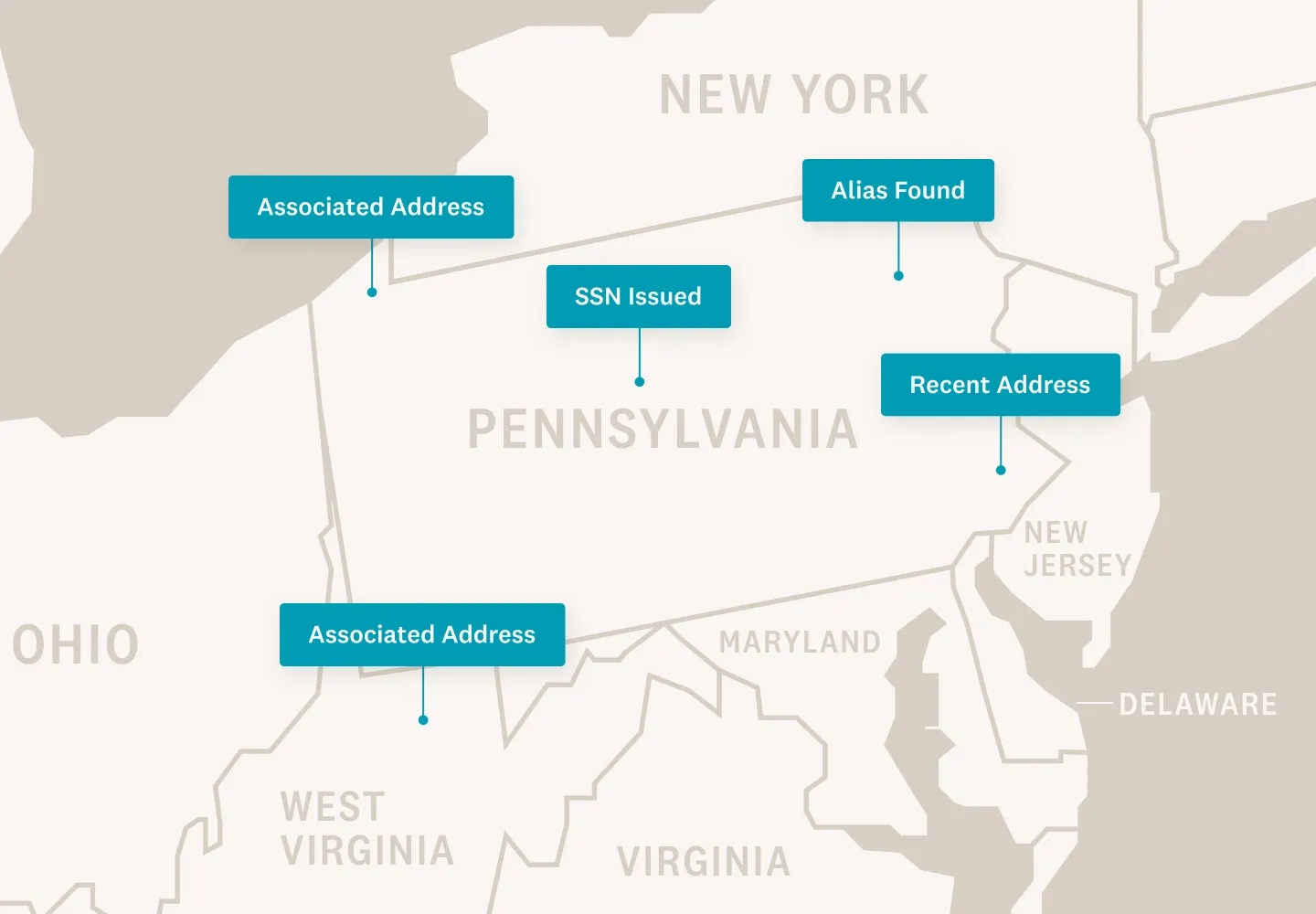
- SSN trace: Verifies identity and surfaces address history used to decide which jurisdictions to search. Learn more about the SSN trace.
- Sex offender registry: A search of state and national registries. Learn more about the sex offender registry search.
- Global watchlist search: A review of government sanctions lists and international watchlists, which is relevant for financial services employers. Learn more about global watchlist searches.
- Employment verification: Confirmation of prior employers, titles, and dates of employment.
- Credit history: Because branch roles involve handling money and customer accounts, an employment credit check may be included where state law allows.
- Drug screening: Some positions or locations may require a pre-employment drug test.
Candidates should review the disclosure and consent forms they receive during hiring to understand which searches apply to their role.
How far back can the Security Finance background check go?
Lookback periods depend on the type of search and applicable state law. Under the FCRA, consumer reporting agencies generally may not report most negative information older than seven years, although convictions can often be reported for longer and exceptions exist for certain positions above specified salary levels. Some states apply stricter limits, so candidates with history in multiple states may see different windows across the searches in one report.
Does Security Finance hire felons?
Security Finance does not publish a detailed public policy on hiring candidates with felony records, and decisions are typically made on a case-by-case basis. Employers in lending commonly weigh the nature of the offense, particularly financial crimes, how much time has passed, and the responsibilities of the role. Many states and cities have adopted "ban-the-box" laws that limit when employers can ask about criminal history during the application process. Candidates with records are encouraged to be honest on their applications and prepared to provide context if asked.
What are Security Finance background check requirements?
Candidates will typically be asked to provide written consent before a background check begins, usually through a standalone disclosure and authorization form. Applicants should be prepared to supply accurate personal information, including their full legal name, date of birth, Social Security number, and address history. Providing accurate details helps ensure searches cover the correct jurisdictions and reduces the chance of delays or mismatched records.
What is the FCRA and how does it protect candidates?
The Fair Credit Reporting Act is a US federal law that governs how consumer reporting agencies collect, use, and share background check information. Employers must obtain written consent before running a check, and before taking adverse action based on the results they must provide the candidate with a copy of the report and a summary of rights, along with an opportunity to dispute inaccurate information. For a detailed overview of the FCRA and related Equal Employment Opportunity Commission guidance, visit this introduction to the Fair Credit Reporting Act (FCRA).
Order your own background check
Running a personal background check with Checkr lets you preview what Security Finance may see and helps you identify potential inaccuracies before they affect your job application. In one secure report you can review:
- Criminal history searches: Search databases and registries; SSN trace, sex offender registry, global watchlists, plus national, county, state, and federal court records.
- Motor vehicle records: Search a state's DMV, confirm your driver's license, and identify driving incidents.
- Employment verification: Review your work history as it appears in third-party databases.
Create your report in minutes at Checkr Personal Background Checks. To showcase verified credentials proactively, build a free Checkr Profile you can share with recruiters, hiring managers, or potential employers.
Are you a candidate with an open background check with Checkr?
Check your report status in the Candidate Portal. Or, visit the Checkr Help Center for FAQs, dispute steps, and to contact support.
Run a personal background check
Are you an organization? Run candidate background checks here >
Disclaimer
The resources and information provided here are for educational and informational purposes only and do not constitute legal advice. Always consult your own counsel for up-to-date legal advice and guidance related to your practices, needs, and compliance with applicable laws.


Run a personal background check today.
Preview your own background check results to see what employers might see.