Checkr is trusted by 140k+ businesses and 80 million individuals
Ready to run background checks the modern way?
Frequently asked questions
Six Flags: Company Profile & Background Check FAQs
Six Flags is one of the largest amusement park operators in North America, running theme parks and water parks across the United States, Canada, and Mexico under Six Flags Entertainment Corporation. Because its parks hire large seasonal teams of ride operators, lifeguards, food service workers, and entertainers, job seekers frequently ask how the company screens new hires. This article explains what candidates can generally expect from the Six Flags background check process and hiring experience.
Run a personal background check
Are you an organization? Run candidate background checks here >
Six Flags: Company overview
The Six Flags story began in 1961, when Texas real estate developer Angus G. Wynne Jr. opened Six Flags Over Texas in Arlington, naming the park for the six national flags that have flown over Texas. The park introduced innovations such as the log flume and mine train rides and helped establish the modern regional theme park format. Over the following decades, the Six Flags brand expanded to parks across the country and became one of the most recognizable names in outdoor entertainment.
The company entered a new era on July 1, 2024, when Six Flags completed a merger of equals with Cedar Fair, the operator of parks such as Cedar Point and Knott's Berry Farm. The combined business operates as Six Flags Entertainment Corporation, a publicly traded company headquartered in Charlotte, North Carolina. According to the companies' merger announcement, the combined portfolio includes 42 amusement parks and water parks across North America, with legacy park names retained.
Six Flags parks offer roller coasters, family rides, water attractions, live entertainment, and seasonal events, and many properties operate on a seasonal calendar that peaks in summer and around holiday events. That rhythm shapes the workforce: parks hire thousands of seasonal and part-time associates each year in roles including ride operations, lifeguarding and aquatics, food and beverage, retail, games, admissions, security, custodial services, and entertainment, supported by year-round staff in maintenance, safety, and park and corporate management.
Company culture and employee programs: Six Flags parks emphasize guest safety and service, and associates typically complete structured training before working attractions, aquatics, or food service. Many parks promote perks for team members such as free park admission, though specific benefits vary by park, role, and employment status. A large share of park roles are open to younger workers, including students, and scheduling tends to be flexible around school calendars. Candidates should confirm pay, perks, and minimum age requirements for their specific park and position during the hiring process.
Six Flags background check FAQs
Can Six Flags run background checks?
Yes. Employers in the amusement park and entertainment industry, including Six Flags, are legally permitted to conduct pre-employment background checks, provided they follow applicable federal, state, and local laws. In the United States, employment screening is governed by the Fair Credit Reporting Act (FCRA), which requires candidate consent and sets rules for disclosures and adverse action. Because theme parks serve families and employ many minors, screening practices in this industry also reflect state child-safety and youth-employment laws.
Does Six Flags do background checks?
Six Flags is generally reported to conduct background checks for at least some positions, which is consistent with standard practice across the theme park industry, where employees work closely with children and guests, handle cash, and operate safety-critical equipment. The scope of a Six Flags background check may vary by park, role, and the applicant's age; screening for a seasonal teenage food service worker may differ from screening for a security officer, aquatics supervisor, or full-time maintenance technician.
What is the Six Flags hiring process?
The Six Flags hiring process is designed to staff parks quickly ahead of peak seasons. Candidates typically apply online through the careers site for their local park, and many parks host hiring events or offer rapid interviews, sometimes making conditional offers the same day. Interviews for entry-level park roles usually focus on availability, guest service attitude, and reliability. Candidates who receive a conditional offer generally complete onboarding paperwork, consent to any required screening, and attend orientation and role-specific training before their first shift.
How long can a Six Flags background check take?
Most background checks are completed within a few business days, though timelines depend on the searches ordered, the responsiveness of courts, and the number of jurisdictions in a candidate's history. During high-volume seasonal hiring windows, additional verification steps can add time. Candidates can learn more by reviewing background check turnaround times.
What can be revealed in a Six Flags background check?
Each employer determines which screenings to include for each role. For a theme park position at a company like Six Flags, a background check may include some or all of the following:
- Criminal history: Searches of national criminal databases, county and state court records, and federal court records for convictions or pending charges.
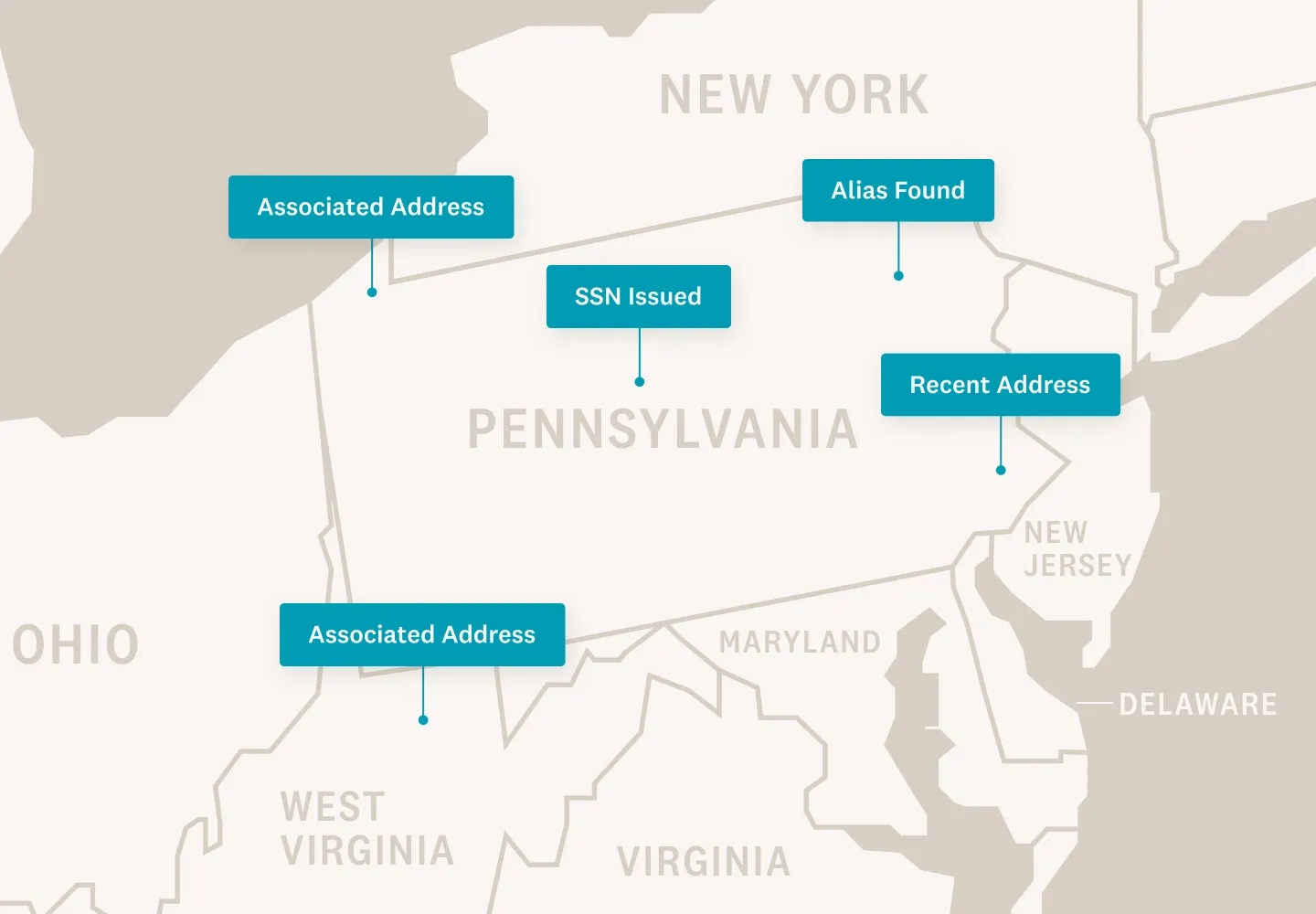
- SSN trace: A foundational identity search that verifies a candidate's Social Security number and surfaces address history. Learn more about the SSN trace.
- Sex offender registry: A search of state and national registries, which is particularly relevant for employers whose staff work around children. Learn more about the sex offender registry search.
- Global watchlist search: A check of government watchlists and sanctions lists. Learn more about global watchlist searches.
- Employment verification: Confirmation of a candidate's stated work history, more common for supervisory and year-round roles.
- Motor vehicle records (MVR): For roles that involve driving park vehicles or trams.
- Drug screening: Some safety-sensitive positions, such as ride maintenance or security, may require a drug test, subject to state law.
Candidates should review the disclosure and consent forms provided during hiring to understand which searches apply to their role.
How far back can the Six Flags background check go?
Lookback periods depend on the search type and governing law. Under the FCRA, consumer reporting agencies generally may not report most negative information older than seven years, though convictions can often be reported further back and exceptions exist for certain positions. Several states where Six Flags operates parks, including California and New York, impose stricter limits on what can appear in an employment background report. Candidates with history in multiple states may see different lookback windows applied within the same report.
Does Six Flags hire felons?
Six Flags' policies on candidates with felony records are not publicly stated in detail, and hiring decisions are typically made case by case. Relevant factors can include the nature and age of the offense and its relationship to the role; positions involving children, cash handling, or safety-critical equipment may be evaluated more strictly. Many states and cities where the company operates have enacted "ban-the-box" laws that restrict when employers can ask about criminal history. Candidates with records are encouraged to apply, respond honestly to lawful questions, and be prepared to provide context if asked after a conditional offer.
What are Six Flags background check requirements?
Where a background check is required, candidates will typically be asked to provide written consent through a disclosure form during onboarding. Applicants should be prepared to supply accurate personal information, including their full legal name, date of birth, Social Security number, and address history. Minor applicants may have different requirements, including work permits where state law requires them. Accurate information helps searches run in the correct jurisdictions and keeps start dates on track.
What is the FCRA and how does it protect candidates?
The Fair Credit Reporting Act is a federal law that governs how consumer reporting agencies collect, use, and share background check information. Under the FCRA, employers must obtain written consent before ordering a background check, provide a copy of the report and a summary of rights before taking adverse action based on the results, and allow candidates to dispute inaccurate information. For a deeper overview of the law and related Equal Employment Opportunity Commission (EEOC) guidance, read this introduction to the Fair Credit Reporting Act (FCRA).
Order your own background check
Running a personal background check with Checkr lets you preview what Six Flags may see and helps you identify potential inaccuracies before they affect your job application. In one secure report you can review:
- Criminal history searches: Search databases and registries; SSN trace, sex offender registry, global watchlists, plus national, county, state, and federal court records.
- Motor vehicle records: Search a state's DMV, confirm your driver's license, and identify driving incidents.
- Employment verification: Review your work history as it appears in third-party databases.
Create your report in minutes at Checkr Personal Background Checks. To showcase verified credentials proactively, build a free Checkr Profile you can share with recruiters, hiring managers, or potential employers.
Are you a candidate with an open background check with Checkr?
Check your report status in the Candidate Portal. Or, visit the Checkr Help Center for FAQs, dispute steps, and to contact support.
Run a personal background check
Are you an organization? Run candidate background checks here >
Disclaimer
The resources and information provided here are for educational and informational purposes only and do not constitute legal advice. Always consult your own counsel for up-to-date legal advice and guidance related to your practices, needs, and compliance with applicable laws.


Run a personal background check today.
Preview your own background check results to see what employers might see.