
Table of Contents
- What is an employment background check?
- Why do employers run background checks?
- Types of employment background checks
- How long do background checks take?
- How much does it cost to run a background check?
- Step-by-step guide for conducting background checks
- Laws to know when conducting background checks
- When to re-screen current employees or contractors
- Frequently asked questions about employment background checks
- Order background checks today with Checkr
Ready to run background checks the modern way?
This guide explains how to run employment background checks from start to finish, including what a background check is, common check types, a step-by-step process, core compliance rules, timelines and costs, and how to read results and fit screening into hiring workflows. It also covers when to re-screen and how fair chance practices apply across roles and industries.
Start running business background checks
Key takeaways:
- Definition of employment background checks and how they work in hiring
- Overview of common check types and what each can report
- Basics of FCRA disclosures, authorization, investigative reports, and Ban the Box timing
- Typical timelines, cost factors, interpretation of results, and re-screening approaches
Watch the video or keep reading for more.
What is an employment background check?
An employment background check is a verification process that employers use to confirm a candidate's identity, credentials, and history. Checks can include records and verifications related to criminal history, driving, employment, education, licenses, and other job-related information.
Screening begins with identity details from the candidate (such as full name, date of birth, and SSN). An SSN trace can reveal prior addresses and known aliases, which helps select the right courts and jurisdictions to search.
Consumer reporting agencies (CRAs) and employers gather records from primary sources, such as:
- County, state, and federal courts
- The Department of Motor Vehicles (DMV)
- Schools
- Past employers
- Licensing boards
- Government watchlists
Some records arrive through automated connections and databases, while many criminal background checks still involve in-person or clerk-assisted courthouse research.
The information reported in a background check will vary depending on the purpose of the screening, but can help you learn more about a candidate’s professional and personal history beyond their job application or resume. Conducting a background check for employment helps hiring teams evaluate a candidate’s qualifications, make more informed hiring decisions, and mitigate risk. When hiring for regulated positions, it may be necessary to conduct an employment background check to comply with federal, state, or local laws.
Why do employers run background checks?
Employers run background checks to support workplace safety, comply with industry and regulatory requirements, protect their brand reputation, and reduce negligent hiring liability. Effective screening helps build trust with customers and teams and supports fair, informed hiring decisions. Conducting a pre-employment background check is often a standard part of the hiring process for both small businesses and large enterprises.
Legal and regulatory frameworks also drive background screening. Certain roles are subject to specific requirements, such as:
- DOT-regulated drivers
- Healthcare workers screened against sanctions lists
- Finance roles governed by federal and state oversight
Types of employment background checks
Information included in a background check depends upon the type of search conducted, the laws that regulate background checks, and the employer’s background screening policy.
Here are some common types of employment background checks and what may be reported:
- Criminal record searches: County, state, and federal court records to identify reportable convictions and pending cases
- Identity and SSN trace: Verify individuals’ identity and prior addresses to guide where criminal record searches are performed
- Employment verification: Confirm prior job titles, dates of employment, and work history directly with past employers
- Education verification: Validate academic credentials, degrees, and attendance dates with schools and registrars
- Motor vehicle record (MVR): Review license status, violations, suspensions, and accidents for driving-related roles
- Drug and health screening: Pre-employment testing to support safety-sensitive positions and regulatory compliance
- Credit history: Financial background checks for roles involving money handling or fiduciary responsibilities
How long do background checks take?
Background check turnaround times vary by the type of check performed as well as the location. The following estimates are general average timelines in which you might receive results:
- SSN trace/ID: Minutes to same day
- National or database pre-searches: Same day
- County criminal searches: 1–3 business days
- State or federal criminal: 1–3 business days
- Employment and education verifications: 2–5 business days
- Motor vehicle record: Same day to one day
- Drug testing: 1–3 business days after collection
Delays may occur due to court backlogs, holidays, similar names, and verification response times. Third-party background check platforms, like Checkr, often accelerate results via automated courthouse access and smart routing.
How much does it cost to run a background check?
Costs depend on package scope, pass-through court fees, turnaround needs, and background check volume (if you’re running multiple checks at the same time). Basic packages typically range from $30–$60, plus fees. Expanded criminal searches covering more counties and including federal searches may cost $60–$120 or more.
Employment verification and education checks typically cost $10–$20 per verification plus database fees. MVR checks range from $5–$20 plus state fees, while drug testing can cost $30–$80 per test.
Checkr offers transparent pricing starting at $29.99, with volume pricing available for larger organizations.
Step-by-step guide for conducting background checks
The process of conducting a background check generally includes the following steps:
Here’s a step-by-step guide on how to run a background check on someone for employment:
Create a background check policy
A background check policy provides a clear framework for searching a candidate’s background during the hiring process. It helps ensure consistency and compliance with federal, state, and local laws. Your policy should clearly state the types of screenings conducted for each position, outline the proper procedures for performing them, and explain how the results will be used in making hiring decisions.
It’s best practice to implement background screenings across your entire organization. For example, employers shouldn’t choose a certain age group or ethnicity to undergo pre-employment background checks, since this could be considered discriminatory under Equal Employment Opportunity Commission (EEOC) guidelines. However, you can require specific screenings for all candidates being considered for certain roles, such as those who will drive a company vehicle or handle finances.
Maintain legal compliance
Federal, state, and local laws regulate employment background checks to ensure a fair hiring process for candidates. These background check laws can impact when and what screenings can be conducted and how the results may be used in hiring decisions. To help navigate compliance, employers often partner with employment background check companies, like Checkr. Regardless of how you choose to conduct background checks, employers are ultimately responsible for complying with all applicable laws.
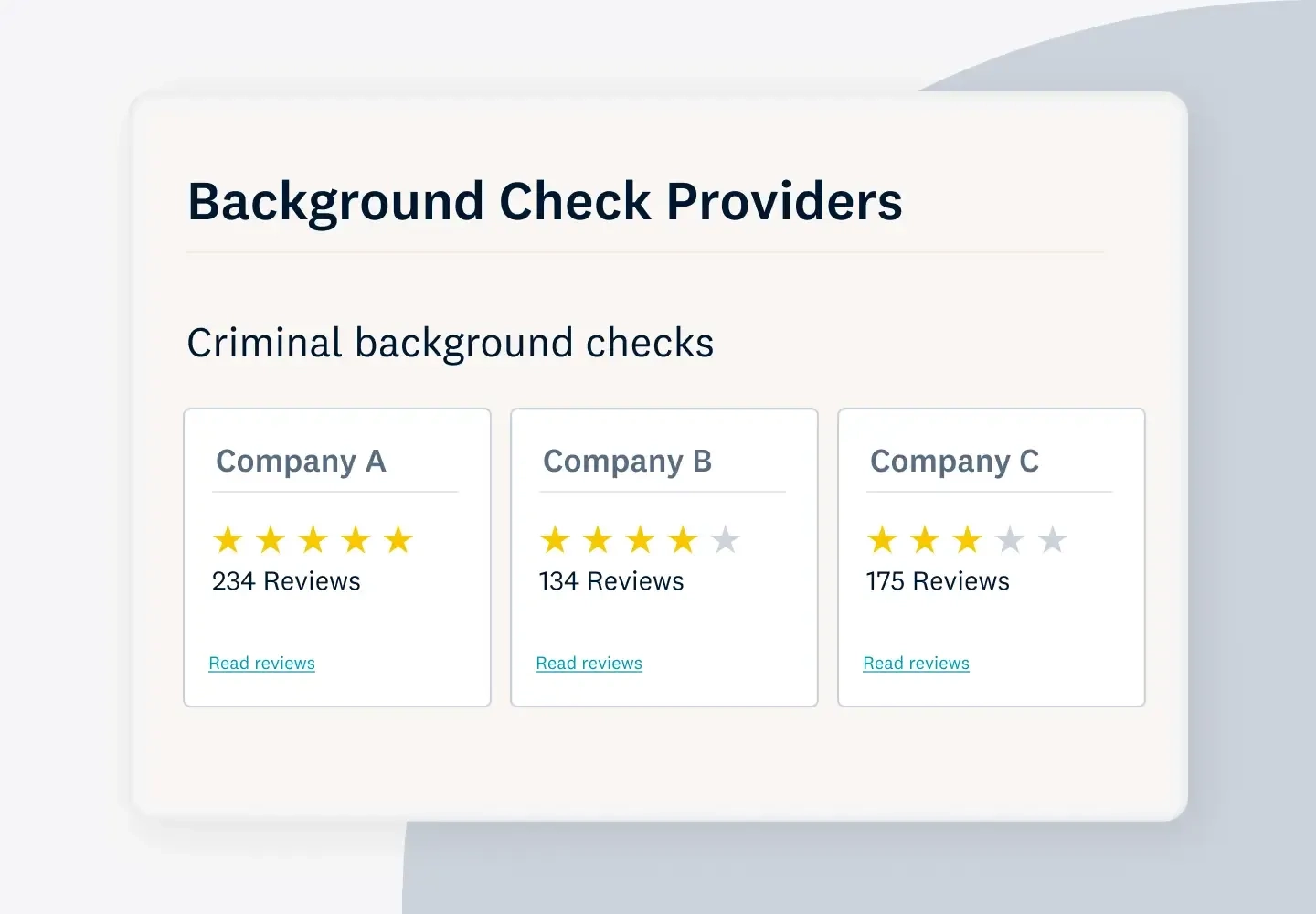
Choose a background check company
Employers have many options to consider when selecting a background check company. The best background check service for your business typically depends on your needs, such as types of screening options, hiring volume, budget, and location. Additional considerations when comparing employee background check companies may include:
- Candidate-friendly user experience with a mobile-first portal and forms, dedicated support team, and timely updates throughout the background check process.
- Integrations with ATS and HRIS platforms to streamline the hiring process by launching background checks from within your existing workflow.
- Built-in compliance features to support fair hiring and simplify the complex web of legal requirements for employers.
Select screening reports
There are multiple types of background screenings that cover different facets of a candidate’s history. Based on your business needs and company background check policy, you’ll want to select the appropriate searches:
- Criminal background checks search national and local public records to identify a candidate’s legally reportable criminal history, such as felony and misdemeanor criminal convictions.
- Civil searches review a candidate’s federal and county civil court records and report non-criminal history, such as restraining orders, breaches of contract, foreclosures, and tax claims.
- Credit background checks review a candidate’s credit history, including bankruptcies, accounts in collections, and payment history.
- Motor vehicle record (MVR) checks provide information about a candidate's driving history, including driver’s license status and class and driving-related violations.
- Employment verification confirms a candidate’s work history, including dates of employment and job titles.
- Education verification confirms a candidate’s academic history, including dates of attendance and degrees obtained.
- Professional license verification reviews licenses and certifications for highly regulated industries or specialized roles, such as accounting and healthcare.
- Drug testing screens for the presence of alcohol and controlled substances.
- Sanctions searches investigate important primary sources for exclusions, debarments, sanctions, and disciplinary action taken against individuals in sensitive fields, such as healthcare.
- International background checks search for criminal records, adverse media, and global watchlists for candidates who have lived, studied, or worked outside of the US.
Communicate candidate rights
The FCRA provides protections for candidates that cover what kind of information may be collected and reported for an employment background check. The standard Summary of Rights document outlines other major rights under the FCRA, including the right to a copy of their background check results and the right to dispute inaccurate information.
If your business uses a background check provider to conduct searches, you’re required to disclose your intent to run an employment background check separate from the actual job application. You also must obtain written authorization from the candidate to run the background check and follow the adverse action process if the results of the report affects your hiring decision.
Make hiring decisions
Once you have reviewed the results, you can make a hiring decision based on your company’s background check policy. If a search returns any information that may negatively impact your hiring decision, you must follow the adverse action process outlined in the FCRA. The process consists of three major steps:
- Send a pre-adverse action notice. This document states that you’re evaluating background screening results and may decide not to hire the person based on what you’ve found. You must also include a copy of the individual’s background check report and their summary of rights under the FCRA.
- Give your candidate a reasonable amount of time (usually five days) to respond. They may dispute any information they consider inaccurate or provide additional context for the findings. Guidance from the EEOC recommends conducting an individualized assessment for the candidate, which includes the “nature-time-nature” test—the nature of the offense, the time passed since the offense, and the relevance of the offense to the role.
- If you decide against hiring after reviewing the candidate’s response, send an adverse action notice explaining your decision. The notice must inform the candidate of their right to dispute the decision and to receive another copy of the background check report within 60 days.
Laws to know when conducting background checks
Employers must follow federal FCRA rules and applicable state and local laws, including Ban the Box and fair chance ordinances, to maintain non-discriminatory, transparent screening practices.
FCRA disclosure and authorization
You must send candidates a clear, standalone FCRA disclosure and receive written authorization from them before ordering a background check. Disclosures remain separate from the employment application materials, and it’s best to avoid extraneous language when writing them.
Pre-adverse and final adverse action timelines
If an employer is considering a negative decision based on information in a background check, they must provide a pre-adverse action notice and the background report itself, along with the FCRA Summary of Rights. Give candidates a reasonable period to respond (often five business days), which allows them time to dispute inaccurate information or explain a situation before you issue a final adverse action notice.
State and local Ban the Box laws
Ban the Box and fair chance laws limit when and how employers may consider criminal history during hiring. Often, this looks like delaying criminal history inquiries until after the first interview or after making a conditional offer. Ban the Box laws may also recommend individualized assessment, which considers how a candidate’s background relates to the role at hand.
Major jurisdictions with Ban the Box laws include:
- California (statewide) and cities like Los Angeles, San Francisco
- New York State and New York City Fair Chance Act
- New Jersey, Massachusetts, Minnesota, Illinois
- Washington State and Seattle
- District of Columbia
When to re-screen current employees or contractors
Re-screening refers to running background checks after hire to confirm that employees are still eligible for their roles. Common triggers include role changes; promotions to sensitive positions; transfers to new locations; or expanded access to money, data, vehicles, or vulnerable populations.
Specific industry rules may also determine background check intervals or re-screening requirements. Examples include:
- Annual MVR reviews for commercial drivers
- Healthcare exclusion list checks for patient-facing roles
- Periodic screenings for regulated finance positions
Event-based re-screening often follows incidents such as vehicle crashes or policy violations.
Frequently asked questions about employment background checks
Can employers run background checks on international candidates?
Yes, but international background checks depend on country data sources, privacy laws such as the General Data Protection Regulation (GDPR), and reliable identity verification. Background check timelines are often longer, and candidates may need to provide additional documentation.
How far back do employment background checks typically go?
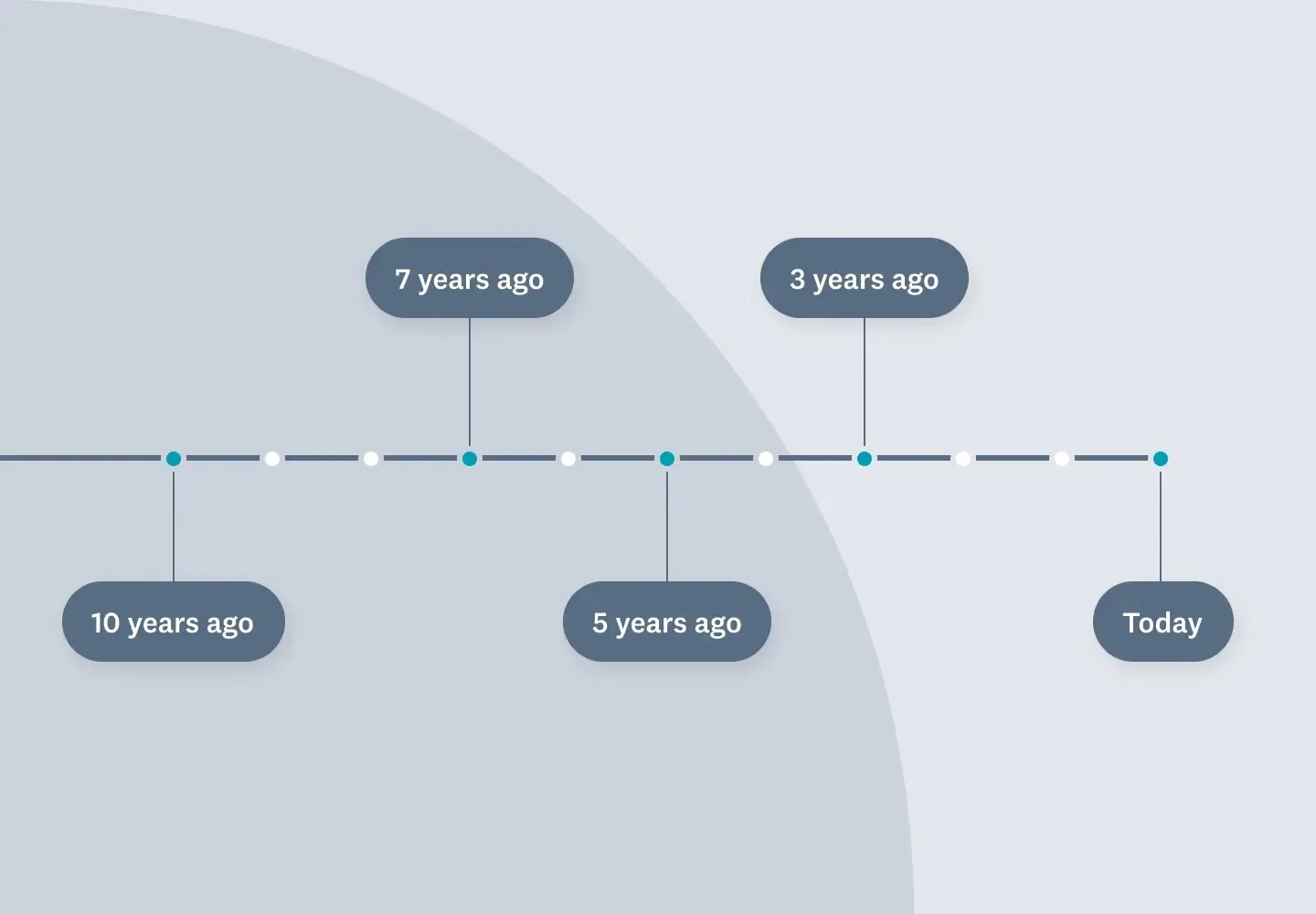
Many employers apply a seven-year lookback period for many roles to align with common state reporting limits. A lookback period is a timeframe in which certain convictions may be reported; if a background check is run past the lookback period for a conviction, reporting that conviction may violate the Fair Credit Reporting Act. Certain items, including some federal convictions or verifications, can extend beyond seven years where law permits.
Can candidates view their background check results before employers see them?
Candidates can request copies from the screening provider and receive copies during the adverse action process. Some platforms offer portals that display status and results at the same time as employers or after completion, based on employer configuration and local law requirements.
Order background checks today with Checkr
Checkr's AI-powered platform produces employment background reports with automated compliance workflows and fair chance hiring features. The platform combines automated court retrieval, identity matching, and human review for quality and accuracy. APIs and HRIS integrations connect screening processes to your existing HR systems, while candidate workflows include mobile data entry and real-time status visibility.
Running employment background checks helps organizations make informed hiring decisions while maintaining compliance with federal, state, and local laws. From understanding different types of checks to following proper adverse action procedures, a structured approach supports both workplace safety and fair hiring practices. Whether you're a small business just starting with background screening or a larger organization looking to streamline your process, partnering with an experienced provider can help you navigate the complexities of background checks. Get started with Checkr today to begin running faster, more accurate background checks.
Start running business background checks
Not an employer? Run personal background checks here >
Disclaimer
The resources provided here are for educational purposes only and do not constitute legal advice. We advise you to consult your own counsel if you have legal questions related to your specific practices and compliance with applicable laws.

About the author
Hayley Harrison began her career as a hiring manager at a mid-size regional bank in the Pittsburgh area. She now brings her experience and knowledge of hiring best practices to her work as a freelancer, helping employers refine and improve their processes.